What truly moves the needle on home value in East Greenwich? In a coastal town where one street can feel historic and another feels suburban, small differences add up. If you are planning to buy or sell, you want a clear picture of what matters most so you can price with confidence, invest wisely, and avoid surprises. In this guide, you will learn the local factors that shape value, how to evaluate them, and the steps to make smarter decisions. Let’s dive in.
Start with the market you are in
Before you set a price or make an offer, learn how the market is behaving right now. Smaller coastal towns like East Greenwich can see big swings when a few high-end sales close in one month and not the next. That is why recent, local data matters more than statewide headlines.
- Look for current median sale price, inventory, months of supply, days on market, and list-to-sale price ratio.
- Compare the last 12 months to a 3 to 5 year trend to see the direction of travel, not just a snapshot.
- Keep sample size in mind. A handful of sales can skew averages, especially in higher price bands.
Good places to verify these figures include local MLS reports, the Town Assessor’s sale records, and market roundups from Rhode Island REALTORS. Use them together so you see both the numbers and the context.
Location and neighborhood dynamics
Downtown access and village life
Homes close to the historic main street, harbor, and marina often attract strong interest. Walkable access to shops, restaurants, and community events is a lifestyle driver that many buyers value. Proximity to parks and the waterfront can add appeal, especially when combined with updated condition and off-street parking.
Commute and connectivity
Easy access to Route 4 and I-95 can boost demand from commuters to Providence and nearby job centers. Proximity to TF Green Airport is a plus for frequent travelers. When you evaluate a property, factor in drive times at peak hours and the convenience of nearby transit options.
Waterfront benefits and trade-offs
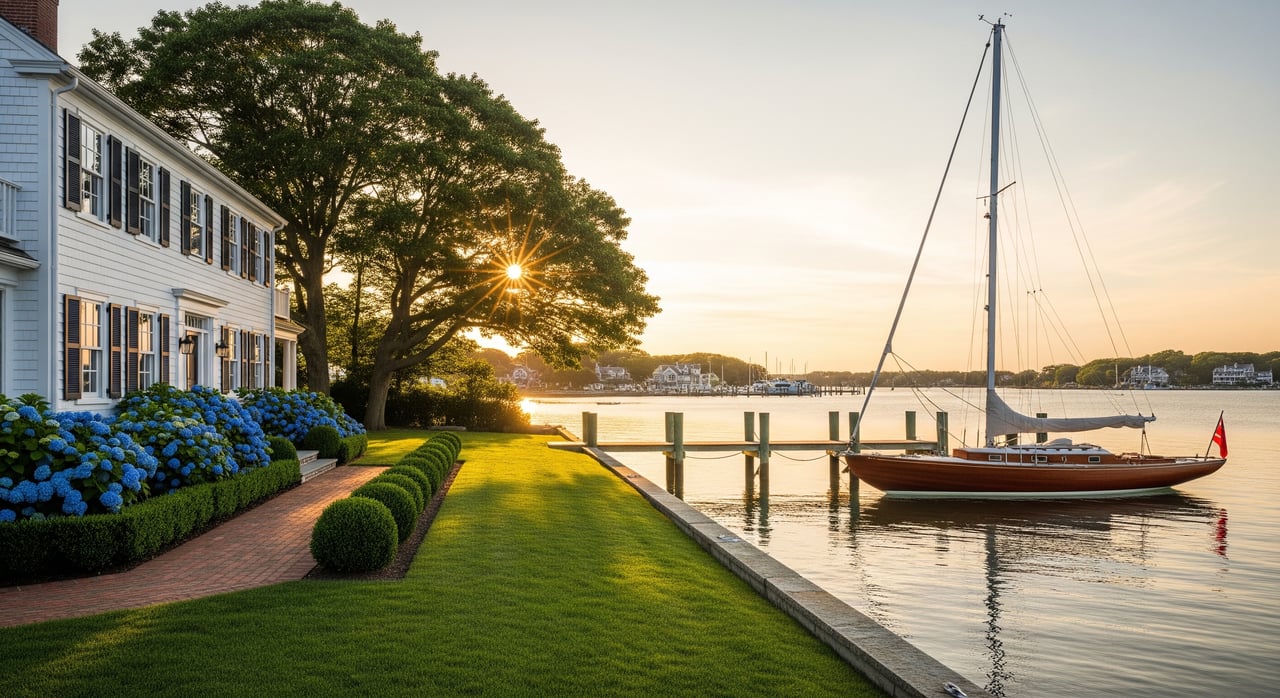
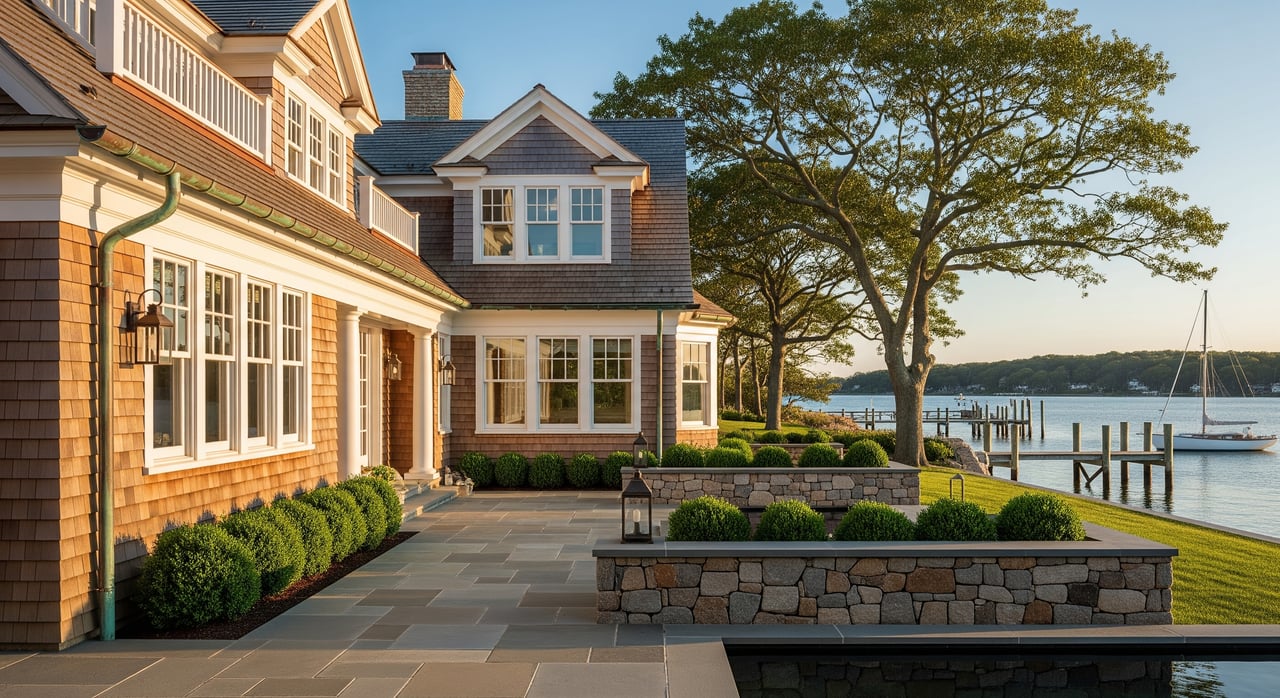
Coastal views, moorings, and docks near Greenwich Bay often command premiums. At the same time, flood zone status, elevation, and drainage are critical to long-term value. Lenders, insurers, and buyers weigh FEMA flood maps, flood insurance needs, and the presence of mitigation features like elevated foundations or storm-resistant windows. The right view can lift value, but higher carrying costs and a smaller buyer pool can offset part of that premium.
Schools and district perception
Many buyers consider school performance when choosing a home in East Greenwich. That interest can translate into stronger demand for properties within the district or near specific campuses. To ground your decisions, review current school performance data and any plans for facility improvements or boundary updates. Always verify the latest enrollment information and boundary maps before you rely on them in pricing or offers.
Home and lot features that move price
Size, layout, and function
Finished square footage, bedroom and bathroom count, and a functional layout are core drivers of price per square foot. Open kitchen-living areas, a usable lower level, and a well-designed primary suite often increase marketability. Flexible spaces, such as a home office or a well-organized mudroom, can add daily utility that buyers notice.
Condition and systems
The age and condition of the roof, windows, siding, and mechanicals influence value and time on market. Updated kitchens and baths tend to resonate, especially when materials and workmanship feel consistent with the price point. Documented upgrades and permits add confidence for buyers and appraisers.
Lot size, topography, and landscaping
Larger parcels, mature trees, and thoughtful landscaping create privacy and curb appeal. In coastal pockets, elevation above sea level and good drainage are important to both perceived safety and insurability. A simple grading or gutter fix can improve yard usability and reduce risk signals during inspections.
Historic charm and preservation rules
East Greenwich includes a designated historic district with protected architecture and streetscapes. Historic character can support value through scarcity and curb appeal. If the property is within a review area, exterior changes may require design approval, which can extend timelines and shape renovation choices. Buyers who appreciate preserved details often see long-term value in these homes.
Energy efficiency and resiliency
Energy-efficient systems, added insulation, heat pumps, and solar can reduce operating costs and appeal to cost-conscious buyers. On the coast, impact-rated windows, reinforced doors, and elevated crawlspaces can improve insurance options and marketability. If you invest in upgrades, keep receipts, permits, and warranties organized so buyers and appraisers can verify the work.
Taxes, insurance, and true carrying costs
The monthly number that buyers feel is not just principal and interest. Property taxes, homeowner’s insurance, and any flood insurance shape affordability and therefore pricing power.
- Property taxes: Review the current mill rate, how assessments are set, and the timing of any recent changes. Ask the Assessor’s Office how a sale price might affect the next assessed value and projected tax bill.
- Homeowners insurance: Check premiums for older homes, homes with extensive wood features, and those with recent upgrades that can lower risk.
- Flood insurance: Confirm the FEMA flood zone, elevation relative to base flood elevation, and whether there is a current policy that could be transferred. Premiums vary widely by elevation and mitigation.
When you price or make an offer, consider the full carrying cost. Two similar homes can feel very different once taxes and insurance are included.
Renovations with strong local impact
Every home is different, but certain updates tend to deliver reliable value in East Greenwich when done well and in line with neighborhood expectations.
- Kitchen refresh or remodel that opens sight lines and improves storage
- Updated primary suite with a modern bath and organized closet space
- Mechanical upgrades that solve near-term maintenance risks
- Curb appeal improvements, including paint, lighting, and landscaping
- Functional mudroom or drop zone that supports New England seasons
Focus first on safety and system issues, then on the spaces you use every day. Keep finishes consistent with the market segment for your street and school zone. Overbuilding can reduce your return.
Zoning, supply, and what you can build
Zoning rules shape what can be built or added, and limited buildable land can support higher values over time. Review the East Greenwich zoning map to understand setbacks, lot coverage limits, and any rules for accessory dwelling units. If you plan an addition, check building permit timelines and ask about recent rezonings or development proposals nearby. In areas under historic review, factor in design guidelines early.
Amenities, lifestyle, and seasonal patterns
Marina access, parks, and waterfront dining support lifestyle value. Nearby destinations like Goddard Memorial State Park add year-round recreation. Seasonal patterns can affect both inventory and buyer activity, with more interest emerging in spring and early summer and coastal showings often peaking when the weather turns. Plan your listing strategy around these rhythms if you can.
Buyer checklist: how to value a specific home
- Confirm the FEMA flood zone, elevation, and any mitigation features.
- Review 6 to 12 months of comparable sales adjusted for size, condition, and location.
- Verify school boundaries and review recent performance reports.
- Inspect roof, windows, HVAC, and electrical for remaining useful life.
- Estimate property taxes and insurance for your situation, including flood if applicable.
- Drive the commute at peak times and check access to Route 4 and I-95.
- Walk to nearby shops, parks, and the harbor to gauge lifestyle fit.
Seller checklist: steps to lift your sale price
- Fix safety and system issues that will surface in inspections.
- Freshen curb appeal with paint, lighting, and seasonal landscaping.
- Update key spaces where buyers focus, especially kitchens and baths.
- Stage for light and flow, and pre-pack to highlight storage.
- Gather permits, warranties, utility bills, and a list of upgrades.
- Price with recent, local comps and be mindful of sample size.
If you need help with staging, contractors, or inspections, a hands-on listing plan can keep you on schedule and on budget while protecting your price.
Due diligence resources to consult
- Town of East Greenwich Assessor’s Office for sale history, parcel data, and mill rate
- East Greenwich Planning and Zoning for zoning maps, permits, and historic district rules
- East Greenwich School Department and the Rhode Island Department of Education for school performance and boundaries
- FEMA Flood Map Service Center for current flood zones
- NOAA and the Rhode Island Coastal Resources Management Council for coastal and sea level rise information
- National Grid and the Rhode Island Office of Energy Resources for energy efficiency and solar incentives
Put a local plan behind your pricing
The right plan for East Greenwich starts with good data and ends with great execution. When you combine location insights, a sharp view of flood and carrying costs, and focused updates that match the neighborhood, you set yourself up to maximize value. If you want a partner who pairs boutique, hands-on service with broad marketing reach, connect with Rob Cunningham to build your plan.
FAQs
How do East Greenwich schools affect home value?
- Many buyers weigh district performance when choosing a home, so properties within the district often see stronger demand; verify current school data and compare recent sales of similar homes to gauge any premium.
Are waterfront homes in East Greenwich worth higher insurance costs?
- Coastal homes can carry unique appeal and resale potential, but value depends on elevation, flood zone, mitigation features, and flood insurance premiums; evaluate both the view and the carrying costs.
Does historic district status limit renovations in East Greenwich?
- Homes inside designated review areas may need design approval for exterior changes, which can shape materials and timelines; historic character can support value for buyers who want preserved details.
How should I compare property taxes across Rhode Island towns?
- Review the current mill rate, assessment method, and any recent changes in each town, then estimate the tax bill for a home at your target price to compare true carrying costs.
Which renovations deliver the best return locally?
- Updates that solve inspection risks and improve daily living tend to perform well, such as kitchen and bath upgrades, mechanical replacements, curb appeal improvements, and a well-designed mudroom.
How vulnerable is East Greenwich to sea level rise over time?
- Impact varies by neighborhood elevation and drainage; consult FEMA maps, NOAA coastal projections, and local resilience plans, and prioritize mitigation features when you evaluate specific properties.