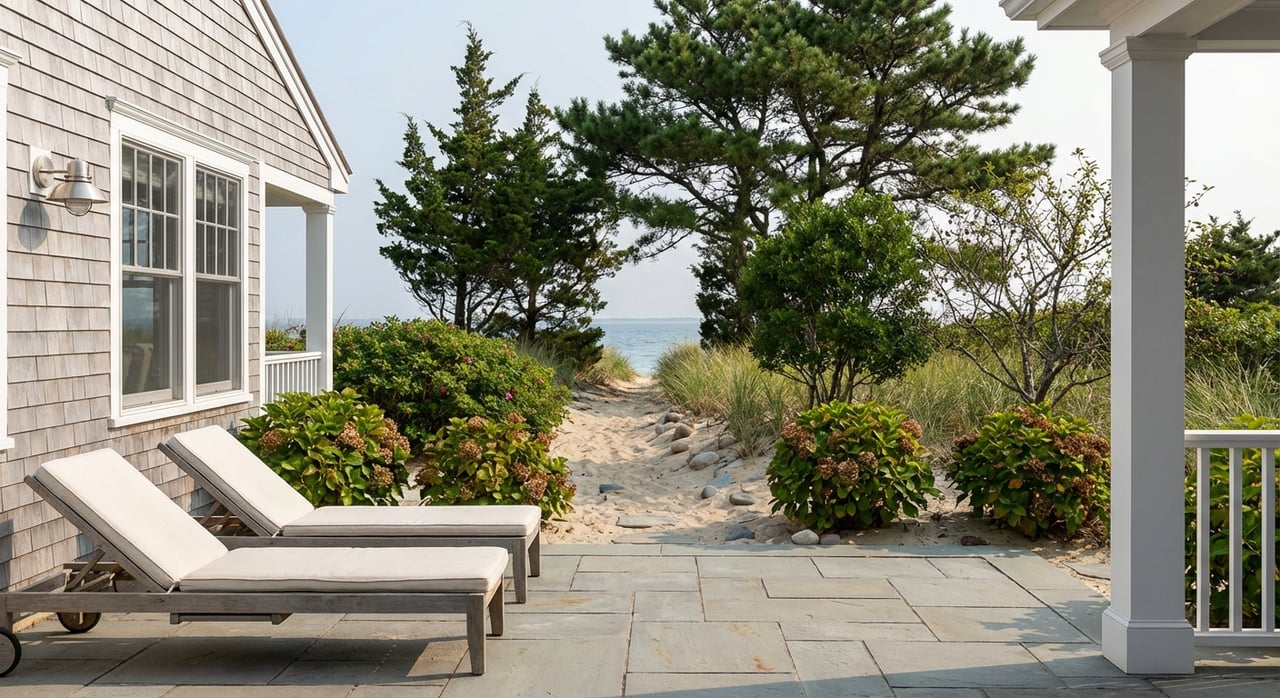
Is a quiet New England beach village calling your name each summer? If you picture slow mornings by the harbor, long walks on a conservation beach, and simple trips into town for dinner, Watch Hill might be the right fit. Buying a second home here is exciting, but it also comes with unique coastal costs, rules, and rhythms. This guide gives you clear, local context so you can move forward with confidence. Let’s dive in.
Why Watch Hill works for a second home
Summer-first rhythm
Watch Hill lives on a summer calendar. Activity peaks from late spring through Labor Day, and many shops and restaurants run on seasonal hours. Off season feels calm and low key, with the Ocean House resort anchoring limited winter activity. If you want a summer retreat rather than a year-round resort town, this aligns well with your goals. For a quick primer on the area’s vibe, review this Watch Hill guide.
Access without island logistics
You reach Watch Hill by car on a single road into the point, and the postal area is 02891. Westerly State Airport serves small commercial and private flights. For bigger hubs, you use Providence’s T.F. Green or regional airports. Limited village parking and road access can create peak-season congestion, so plan around busy weekends.
What you can buy
Historic cottages
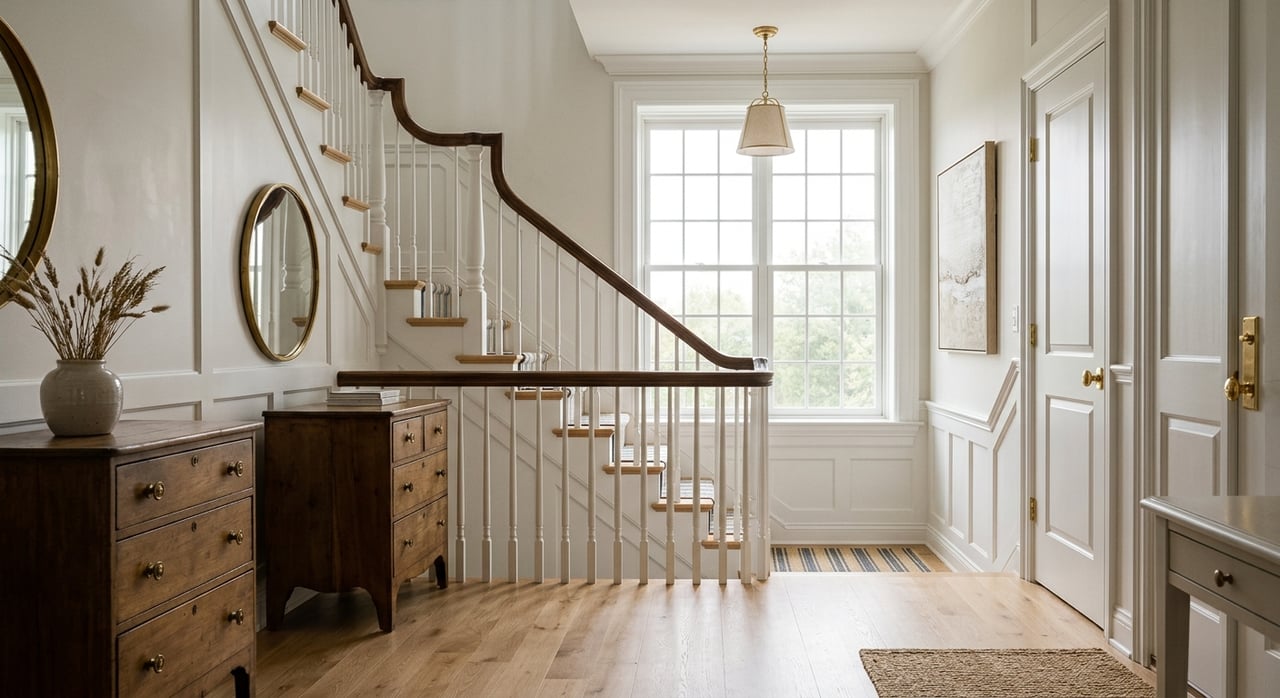
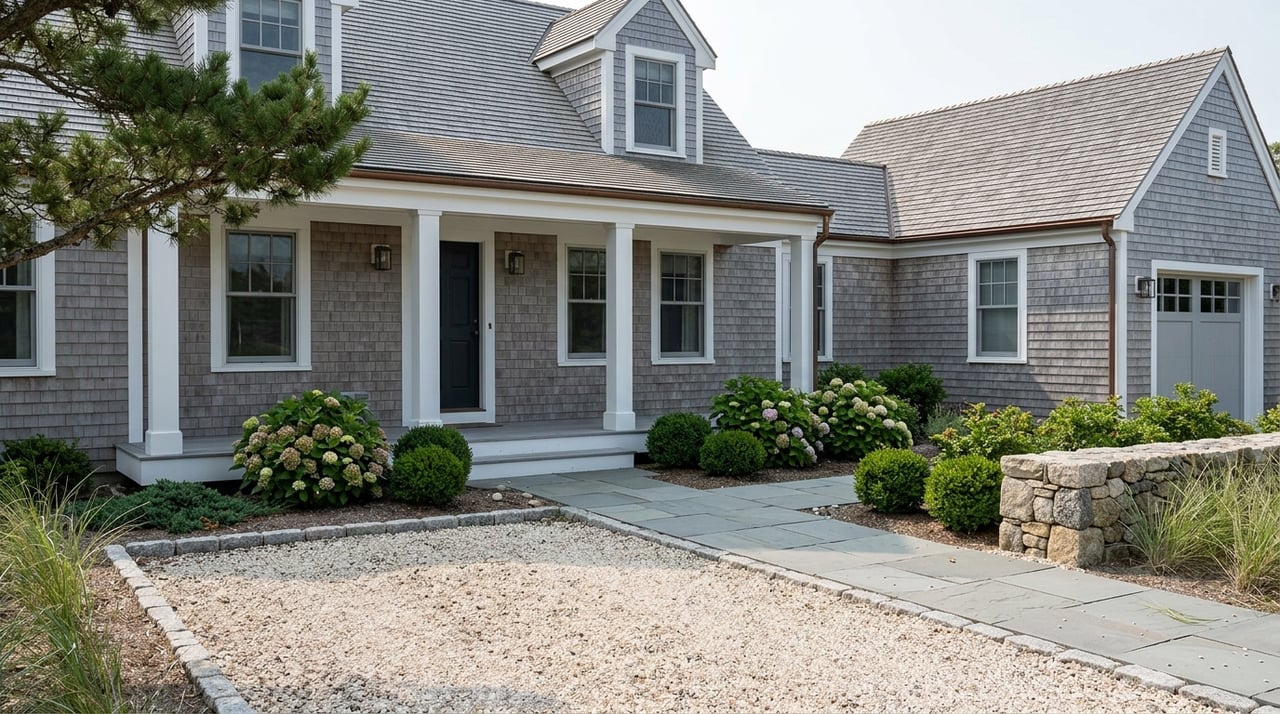
The village contains late 19th and early 20th century summer houses inside the Watch Hill Historic District. Many have been restored and modernized while keeping their character. Explore the district’s context through the National Register listing.
Village and harbor cottages
Smaller lots near Bay Street and the harbor put you close to restaurants, shops, the Flying Horse Carousel, and the lighthouse. The area is compact and walkable, which makes daily life simple in summer. To get a feel for the village center, look at the Flying Horse Carousel.
Oceanfront estates
Along the bluff and out the peninsula you will find larger oceanfront parcels and renovated estates. This is a low-volume, top-tier segment where privacy, elevation, and beach access drive value. Inventory is tight, and purchases often involve privacy requests and attorney-led structures.
Low-maintenance alternatives
Watch Hill has very limited condominium stock. Some buyers who prefer services look to hotel-level accommodations for occasional stays. The iconic Ocean House is a touchpoint for dining and amenities in the village.
Pricing context you can trust
Small-sample market snapshots
This is a boutique market, so only a handful of sales can happen in a year. A single high-value closing can shift the median price in a big way. Treat any snapshot as directional, and rely on property-level comps, not just medians.
Representative ranges
- Village cottages and non-oceanfront homes in the wider 02891 area often range from the mid six figures into the low millions.
- Harbor-oriented village homes and renovated cottages are commonly multi-million.
- Trophy oceanfront estates frequently price well above 5 million, with double-digit prices tied to parcel size, privacy, and beach access.
Use current listings and recorded sales to verify exact comparables before you set expectations.
Costs, taxes, and ongoing care
Two layers of property taxes
Most owners pay Town of Westerly property taxes and, in many cases, a separate Watch Hill Fire District assessment. The district publishes its mill rate each year. For 2025, the WHFD rate was posted at 0.5050 per 1,000 of assessed value. Review current details on the Watch Hill Fire District tax page. Build this line item into your annual budget.
Short-term rental and lodging taxes
If you plan to rent, Rhode Island’s Division of Taxation manages state-level lodging and short-term rental rules that municipalities implement locally. Beginning January 1, 2026 the state posted adjustments affecting local hotel taxes and a new short-term rental tax. Confirm current rates, collection rules, and due dates with the Division of Taxation. Compliance affects your net income.
Insurance and coastal risk
Watch Hill’s shoreline setting means wind exposure and possible FEMA flood zones. Lenders may require flood insurance, and coastal policies can include separate hurricane or windstorm deductibles. Premiums are often higher than inland homes. Before you commit, order property-specific flood maps, review any elevation certificates, and get written quotes for homeowners and flood coverage. Learn more about the local shoreline context at Napatree Point’s conservation page.
Maintenance and management
Salt air, storms, and sun increase wear on paint, exterior woodwork, decks, roofing, and HVAC. Many absentee owners hire local property managers for seasonal openings, winterization, cleanings, and vendor coordination. Full-service short-term rental management commonly runs in the mid teens to mid 30 percent of gross rent, with cleaning and preventive maintenance as separate costs. Request quotes for your property’s size and condition rather than using generic averages.
If rental income is part of the plan
Summer-heavy revenue
Peak demand is highly concentrated in June through August. Weekly rates can be strong in this period, while shoulder-season demand is lighter. For a directional view of local seasonality and performance, see the Westerly market overview. Underwrite with conservative assumptions for spring and fall.
Compliance checklist
Rhode Island has a statewide framework for short-term rentals that municipalities apply locally. Expect registration requirements, occupancy and parking rules, and state hotel and local surcharges. Review current guidance and filing steps with the Division of Taxation. Your agent can also outline local registration steps and zoning considerations.
Beaches, boating, and village life
Napatree Point conservation area
An 86-acre conservation area begins at the end of the village, offering a long beach walk and important coastal habitat. It is a prized natural amenity for owners who value low-key, scenic time by the water. Learn more from The Watch Hill Conservancy.
Access and parking realities
Public access and parking near Napatree have been the subject of local management and legal action over time, including Fort Road discussions. Arrangements can change, so verify how a specific property relates to nearby access points and parking rules. For context, see the district’s declaratory-judgment update.
Boating and moorings
Boating is central to summer life here. The Watch Hill Yacht Club runs racing and community events, and moorings are managed under state coastal rules and local fields. If you plan to bring a boat, ask about mooring availability, waitlists, riparian moorings, and permit steps. Browse the club’s racing schedule to get a feel for the scene.
Dining and a walkable core
Bay Street anchors a compact, upscale village center. Longtime fixtures include the Olympia Tea Room and dining options at the Ocean House. To sample the vibe, view the Olympia Tea Room menu.
How a local advisor helps you buy well
A second home in Watch Hill is both a lifestyle purchase and a coastal asset. You want clear underwriting and local know-how. A strong local agent will:
- Verify zoning, easements, and recorded beach access for your short list.
- Pull parcel-level tax histories, including Watch Hill Fire District bills, so you can budget accurately.
- Order FEMA flood maps, request elevation certificates, and source firm quotes for wind and flood insurance.
- Outline state and local short-term rental rules, taxes, registration steps, and realistic seasonal revenue.
- Introduce vetted property managers and contractors, then coordinate opening, winterization, and repairs if you will be remote.
Watch Hill offers a small-scale, village-centered summer lifestyle with conservation beaches, boating, and discreet dining. If that describes your ideal, this market can reward patient, well-advised buyers.
Ready to explore second-home options in Watch Hill with a calm, detail-driven plan? Start a conversation with Rob Cunningham to map your next steps.
FAQs
Is Watch Hill active year-round for second-home owners?
- Watch Hill is most active from late spring through summer, with many shops and restaurants on seasonal hours. Winters are quiet aside from limited resort activity.
What extra costs should I budget for in Watch Hill?
- Expect Town of Westerly taxes plus a Watch Hill Fire District assessment, coastal insurance for wind and flood, seasonal maintenance, and any short-term rental taxes if you plan to rent.
Are short-term rentals allowed in Watch Hill?
- Rhode Island has a statewide framework and municipalities apply local rules. You should plan for registration, occupancy and parking limits, and state and local lodging taxes. Confirm details with the Division of Taxation.
Are Watch Hill beaches private?
- Napatree Point is a protected conservation area with public pedestrian access, but specific routes and parking are locally managed and can change. Verify a property’s recorded rights and nearby access points, and review updates from the Watch Hill Fire District and The Watch Hill Conservancy.
Can I keep a boat in Watch Hill if I buy nearby?
- Yes, boating is central here. Check mooring availability, waitlists, and permit rules under state coastal policy and local fields. The Watch Hill Yacht Club publishes a public racing schedule if you want to see the on-water community in action.