If you have only seen Watch Hill in photos, it can look like a polished beach postcard. In person, a summer here feels more specific than that. You notice how compact the village is, how the harbor and beach life overlap, and how the pace shifts from quiet midweek mornings to busier weekends. If you are wondering what it is actually like to spend time here, this guide will help you picture the rhythm, setting, and lifestyle more clearly. Let’s dive in.
Watch Hill Feels Small on Purpose
Watch Hill is not its own town. It is a village in Westerly, Rhode Island, and that matters because the summer experience is shaped by a very defined footprint rather than a sprawling beach district.
The center of that experience is Bay Street. Westerly’s comprehensive plan describes Bay Street as the village’s commercial spine and historic center, running along Watch Hill Cove at the estuary of the Pawcatuck River and Little Narragansett Bay. In practical terms, that means summer here feels gathered together, not spread out.
You are rarely far from the water. The harbor, shops, restaurants, beaches, and village landmarks all reinforce one another, which gives Watch Hill a cohesive atmosphere that many larger resort areas do not have.
The Landscape Shapes the Mood
A summer in Watch Hill feels grounded in a few key places. The village core, the lighthouse, the harbor, and Napatree Point all play a role in how the area looks and moves through the season.
Napatree Point extends west from the village as a 1.5-mile barrier beach and conservation area. The Town of Westerly notes that it is used by summer beachgoers and naturalists and is also important as a shorebird and migratory bird preserve. That adds a quieter, more observant side to the summer experience.
The lighthouse is another big part of the visual identity. Westerly describes Watch Hill Lighthouse as a beacon that has served the area since the colonial era, and the beaches page calls it a focal point on one of the area’s most popular beaches.
This is one reason Watch Hill feels memorable even on a simple walk. You are not just passing storefronts or heading to the sand. You are moving through a place where the beach, harbor, and historic landmarks all stay in view.
Summer Rhythm Is Beach, Boat, Repeat
The daily rhythm in Watch Hill tends to revolve around the shoreline. Mornings often feel tied to the beach, the cove, or the harbor, and the rest of the day builds from there.
Beach access is managed, which gives Watch Hill a more organized and somewhat more private-club feel than a fully open beach town. Westerly Town Beach parking stickers are required for residents or taxpayers, while Wuskenau Beach is town-owned and offers seasonal and daily passes. In 2026, weekday daily passes begin at $25 and weekend or holiday daily passes begin at $35.
That pricing difference helps explain the pace. Midweek tends to feel quieter, while weekends and holidays bring a more visitor-heavy rhythm. If you are trying to understand Watch Hill honestly, that shift is part of the real experience.
The beach culture is also not only about swimming. Town materials describe the area as a place for bird watching, surf casting, and photography, which fits the slower, more scenic side of summer here.
Boating Is Part of Everyday Life
In Watch Hill, boating is not a side activity. It is woven into the village atmosphere.
Westerly requires annual mooring registration, and town materials highlight boat moorings in Little Narragansett Bay. The harbor management plan also identifies Watch Hill Yacht Club as a private yacht club on the bay and notes a public boat launch on the north side of Watch Hill Cove.
That matters because it changes how the village feels. Even when Bay Street is not especially crowded, the water can still feel active because boats, moorings, and harbor movement are part of the background.
Napatree Point can also be reached by foot from Watch Hill or by boat. That gives the area a shoreline culture shaped as much by the water as by the beach itself.
Village Traditions Still Matter
Part of what gives Watch Hill its summer identity is that the village still has recurring rituals. It does not feel like a place that reinvents itself every season.
The Flying Horse Carousel remains one of the defining landmarks. Both the town’s local resources and the comprehensive plan highlight it, and its presence adds an intergenerational quality to the village that goes beyond a typical beach stop.
That continuity shows up in other ways too. Westerly describes Watch Hill as a long-time tourist destination known for beaches, shops, boutiques, restaurants, fishing, and boat moorings. The overall feeling is not trendy or overbuilt. It is established, familiar, and tied to traditions people return to year after year.
Dining and Social Life Stay Close to the Water
Watch Hill’s social life tends to stay concentrated in a small, walkable area. That gives summer days a natural loop rather than a packed itinerary.
The village is known for boutiques and one-of-a-kind shopping, according to Westerly’s local resources page. Because the commercial core is so compact, much of the social energy happens in a very small area around Bay Street and the waterfront.
Dining is part of that pattern. Ocean House, set on the bluffs, offers beach access, dining, spa services, and summer programming, including seasonal beach lobster boils on select summer nights. Olympia Tea Room is another village anchor and says it has been family-owned and operated in Watch Hill for more than 100 years.
That is why a summer day here often feels like a loop. You spend time near the beach or harbor, stop for lunch or a walk through the village, and end the day back near the water for dinner or sunset.
The Pace Changes Through the Week
One of the most useful things to know about Watch Hill is that the vibe is not the same every day. Timing shapes the experience.
Midweek, the village can feel quieter and more relaxed. You notice the scenery, the harbor, and the village scale more clearly when there is less weekend traffic.
On weekends and holidays, the area feels busier and more social. That does not make it chaotic, but it does make Watch Hill feel more like the classic summer destination Westerly describes in its town materials.
If you are thinking about buying here, renting nearby, or simply trying to understand the lifestyle, this distinction matters. Your impression of Watch Hill can change a lot depending on whether you visit on a Tuesday morning or a holiday weekend afternoon.
The Homes Match the Lifestyle
Watch Hill’s housing stock helps explain why the summer atmosphere feels so rooted. The architecture carries a long memory of seasonal living.
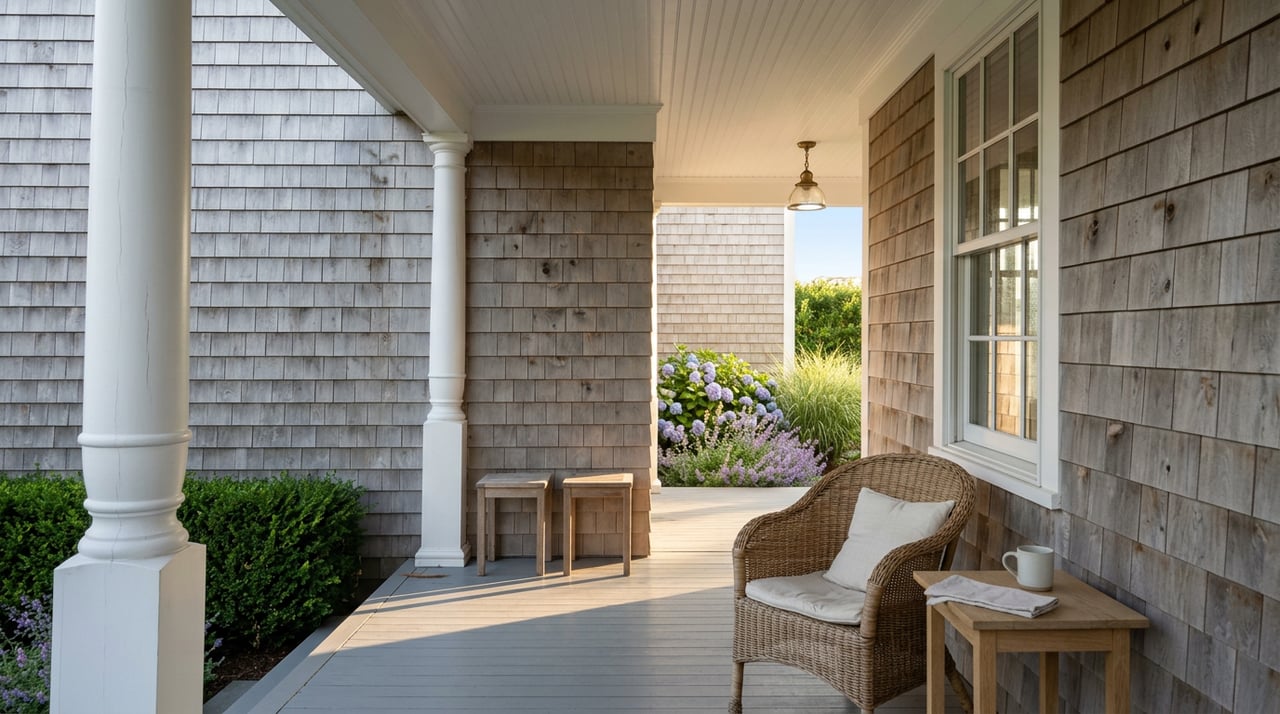
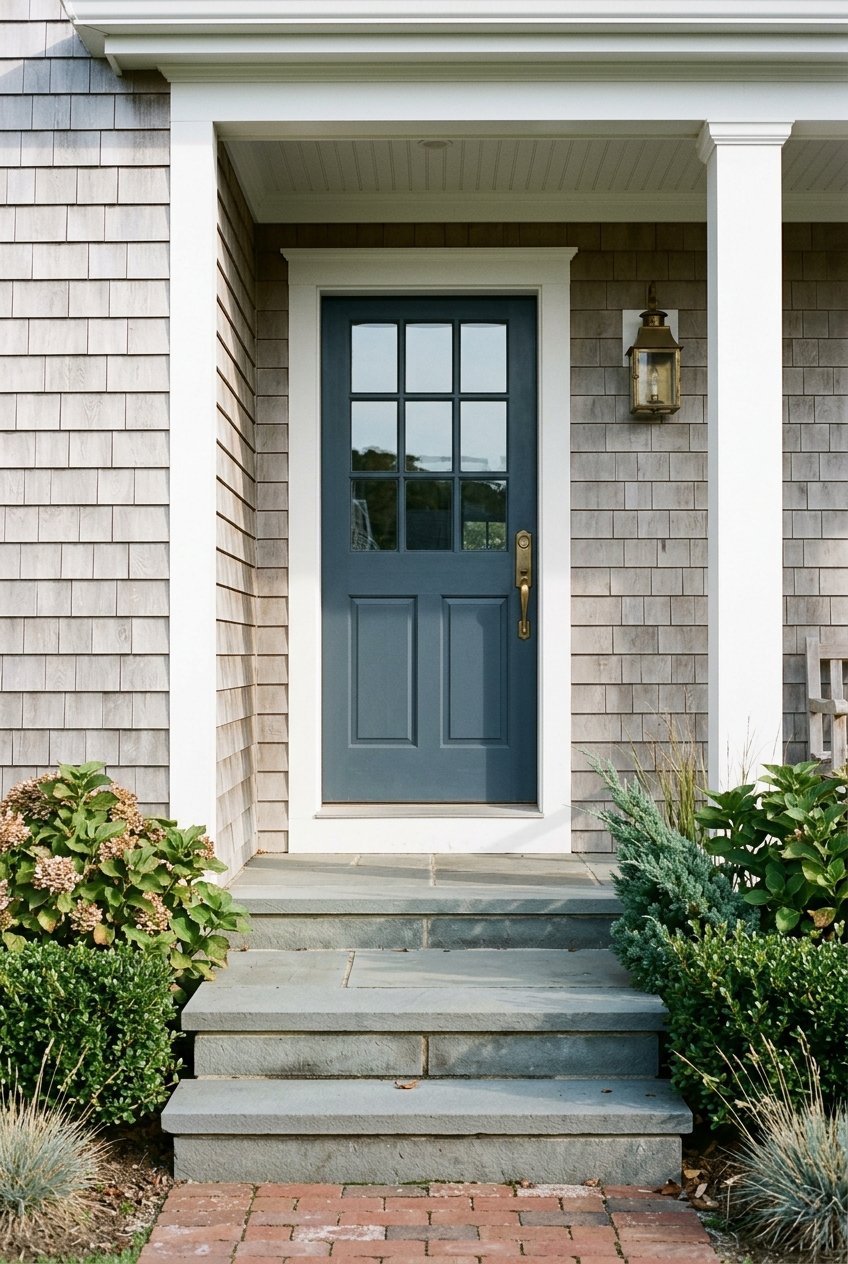
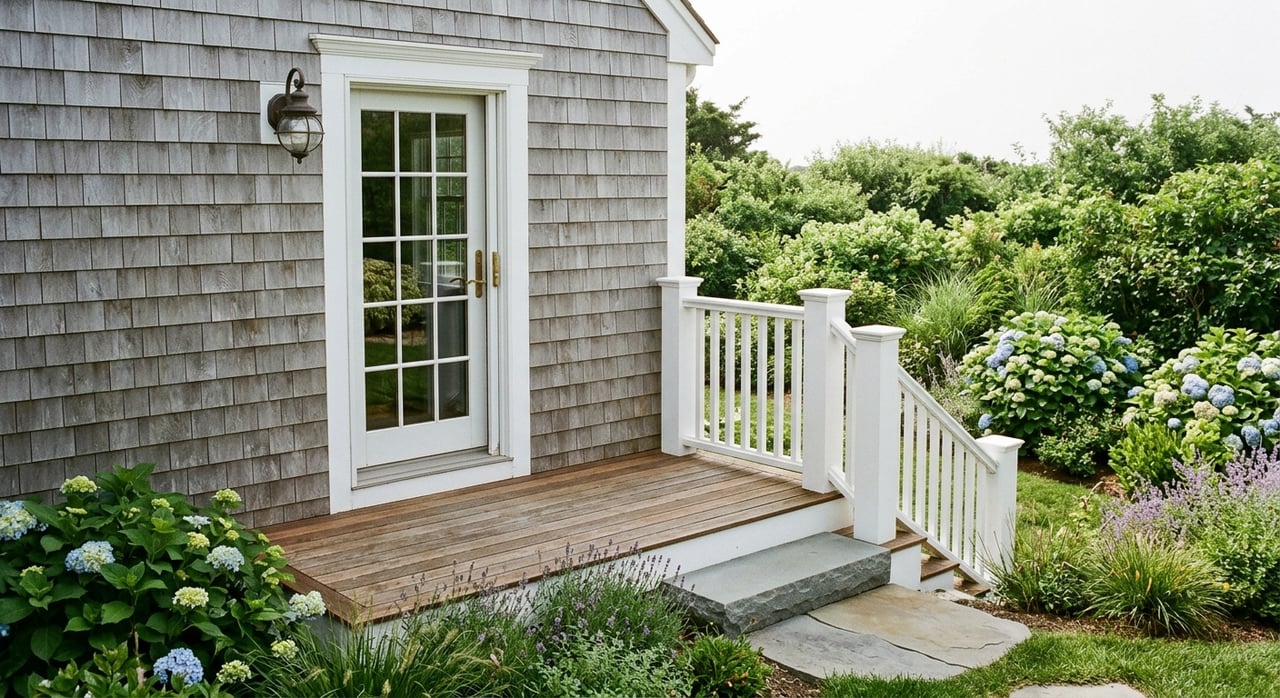
Westerly’s comprehensive plan says the village developed first as a colony of grand hotels and then as a community of large summer cottages, mostly in Shingle Style, Arts and Crafts, and Colonial Revival, with Norman, Mediterranean, and Bermudian examples mixed in. That history still shapes how the area feels today.
The Watch Hill Conservancy describes the cottages as expressions of relaxed summer living and craftsmanship, often on larger parcels farther from the harbor and village core. It also notes that the district includes more than three dozen cottages and gardens associated with notable architects and landscape designers.
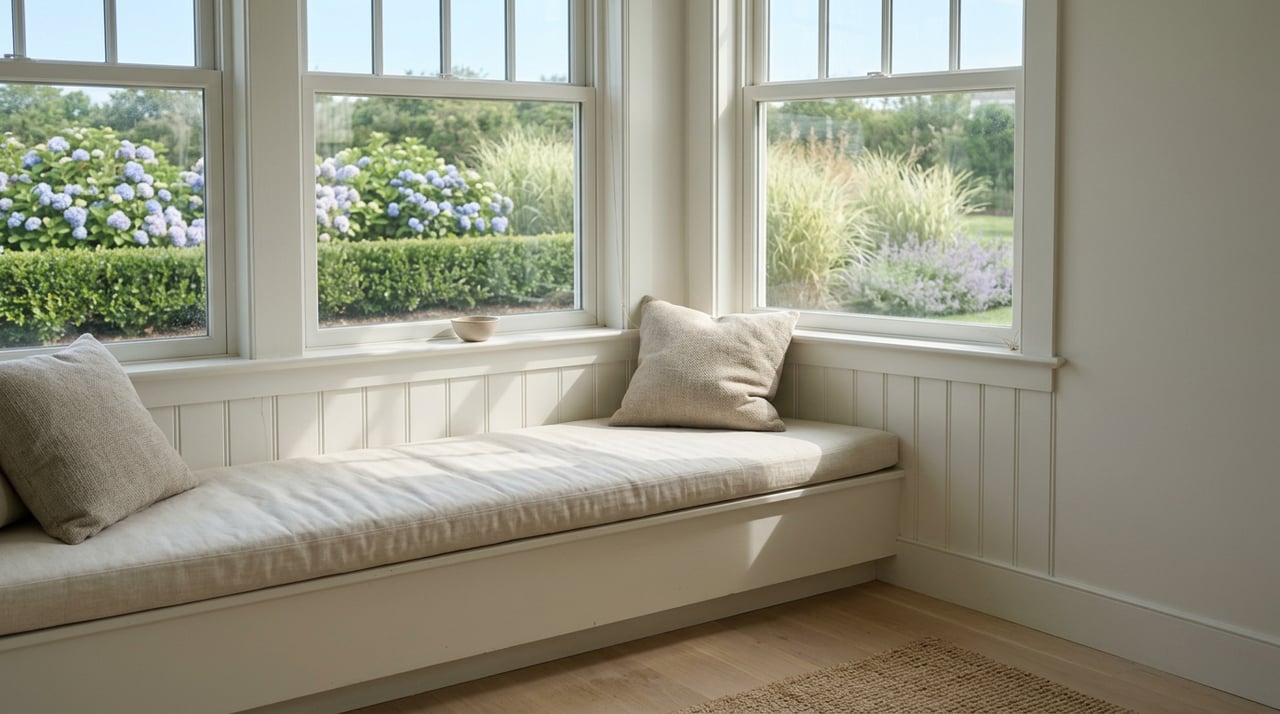
For buyers, the appeal is often practical as much as aesthetic. Porches, views, historic character, and layouts that support gathering and entertaining fit the lifestyle people come here for.
What That Means if You’re Buying
If you are exploring Watch Hill as a buyer, the first thing to understand is that the setting drives the lifestyle. A home near the village core can offer easier access to Bay Street, the harbor, and the beach rhythm, while homes farther from the center may offer a different balance of privacy, space, and maintenance.
The housing mix also suggests different use cases. The historic cottages and revival-era homes can support seasonal second-home living or more year-round residence, depending on the property and your priorities.
This is where local guidance matters. In a place as specific as Watch Hill, the right fit is not just about price or square footage. It is about how you want summer to feel when you wake up, walk outside, and move through the day.
Whether you are looking for a coastal second home, planning a future move, or thinking about when to sell a property in Southern Rhode Island, working with someone who understands the details of place can make the process much smoother. If you want help navigating Watch Hill and the broader coastal market, connect with Rob Cunningham.
FAQs
Is Watch Hill its own town in Rhode Island?
- No. Watch Hill is a village within the Town of Westerly, Rhode Island.
Is beach access in Watch Hill open to everyone?
- Not completely. Westerly’s beach system includes managed access, with resident or taxpayer parking rules at Westerly Town Beach and paid seasonal or daily passes available at Wuskenau Beach.
Is boating a big part of summer life in Watch Hill?
- Yes. Town materials show annual mooring registration, moorings in Little Narragansett Bay, a private yacht club, and a public boat launch near Watch Hill Cove.
What does a midweek summer day in Watch Hill feel like?
- Midweek usually feels quieter and more relaxed than weekends, with a slower pace around the village, beach, and harbor.
What kinds of homes are common in Watch Hill?
- Watch Hill is known for historic summer cottages and revival-era homes, including Shingle Style, Arts and Crafts, and Colonial Revival architecture.
What makes summer in Watch Hill different from a larger beach town?
- Watch Hill feels more compact and cohesive because the village center, harbor, beach, lighthouse, and Napatree Point all sit close together and shape one connected experience.