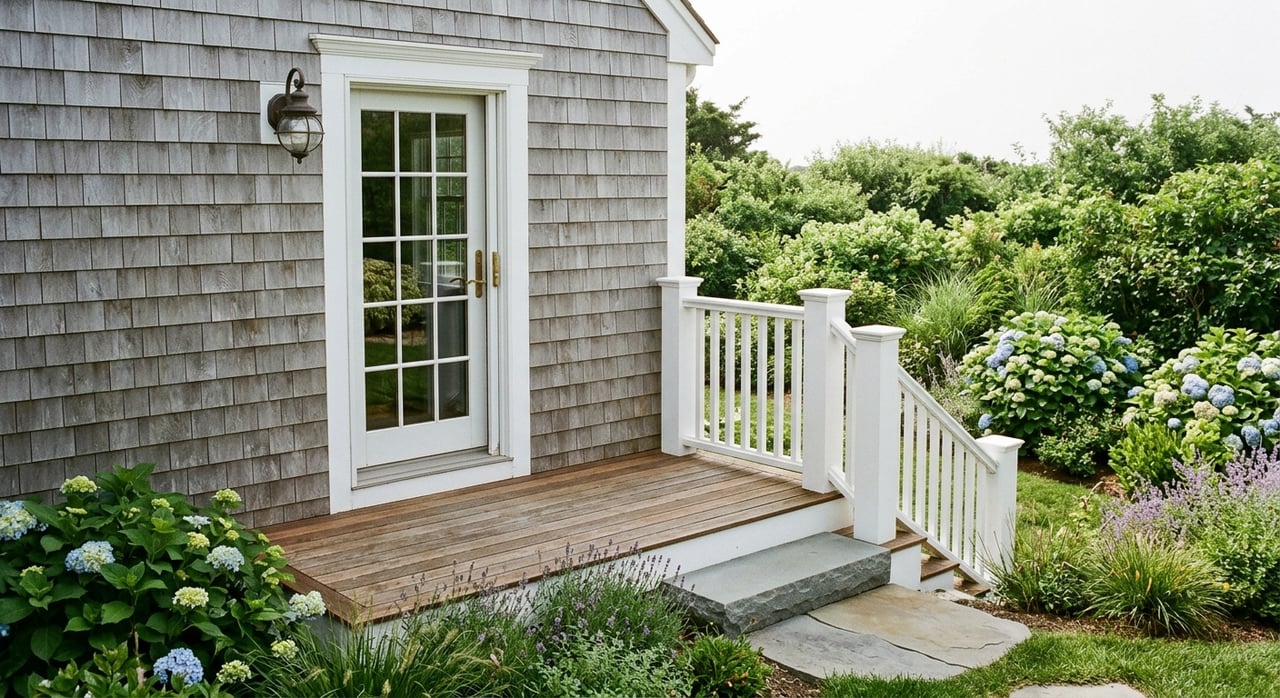
If you’ve thought about buying a seasonal home in Narragansett, you already know the appeal is easy to understand. Time near the water, flexible getaways, and the option to use your property in different ways can make a second home feel like both a lifestyle move and a long-term asset. In Narragansett, though, seasonal ownership comes with some very local details around beach access, coastal risk, rentals, and carrying costs. Let’s dive in.
Why Narragansett Works for Seasonal Living
Narragansett is not a market where seasonal ownership is unusual. Town planning documents describe a substantial seasonal component, and the town’s housing pattern reflects both summer visitors and off-season academic rentals tied to the University of Rhode Island.
That rhythm shapes how people use property here. In the latest Census QuickFacts, Narragansett had 14,407 residents, a 71.7% owner-occupied housing rate, and a median owner-occupied home value of $743,500. For you as a buyer, that means you are entering a coastal market where seasonal use is already part of the local real estate picture.
What Seasonal Ownership Looks Like
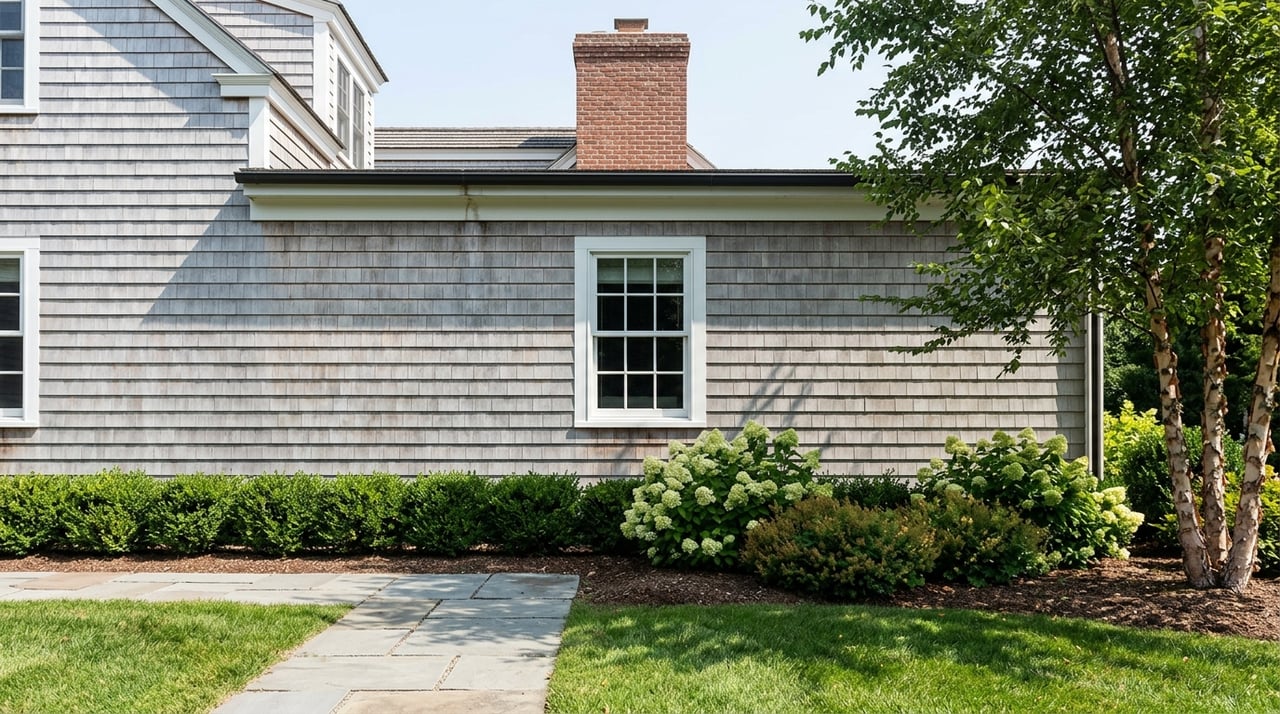
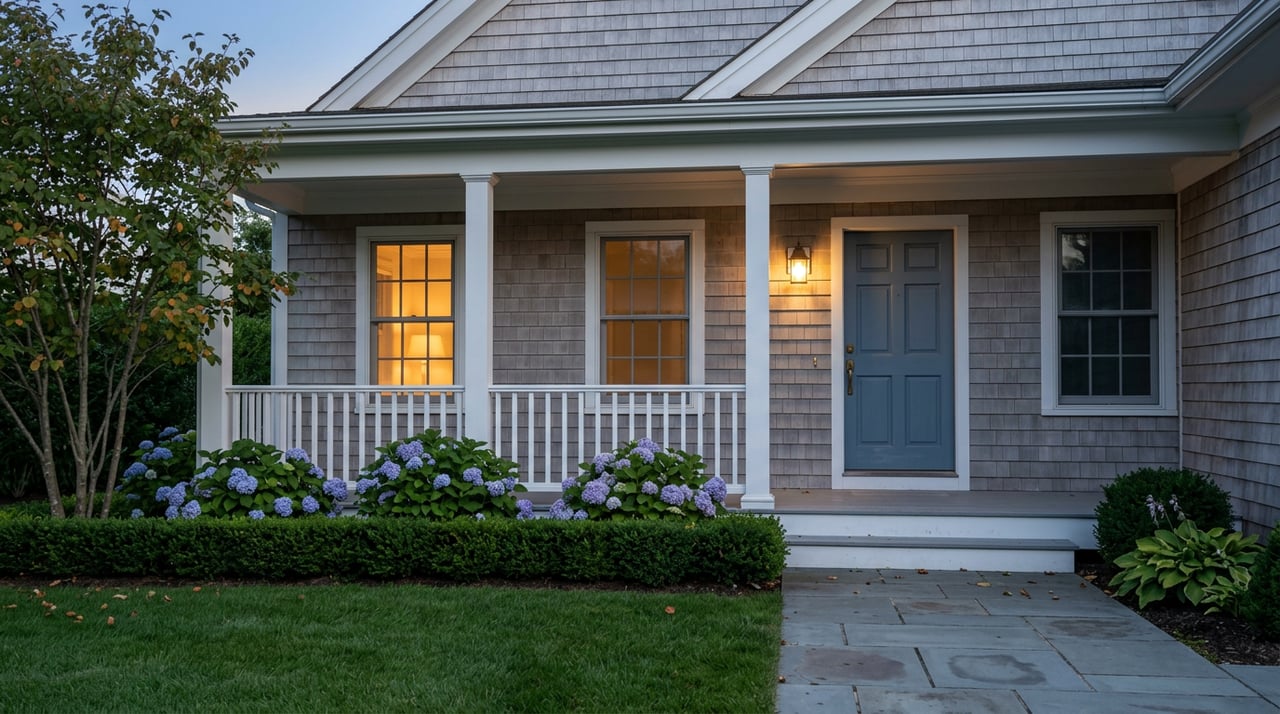
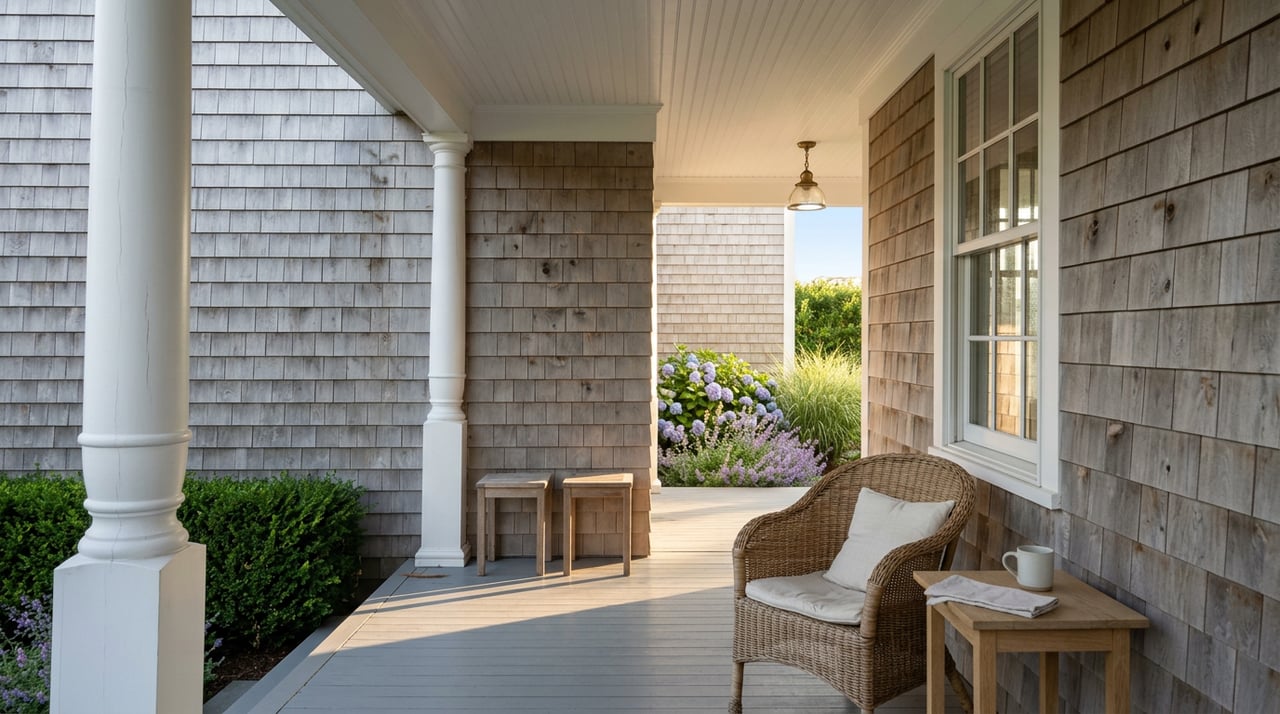
In practical terms, seasonal buyers in Narragansett often focus on coastal houses or cottages, condos, and properties tied to summer amenities. The town’s seasonal setup makes everyday convenience especially important.
Square footage matters, but it is rarely the whole story. In a seasonal home, how easily you can park, store beach gear, and access the shoreline may shape your day-to-day experience just as much as the interior layout.
Beach Access Matters
Narragansett Town Beach is a major part of the town’s seasonal rhythm. In 2026, the beach opened Memorial Day weekend, operated full-time from May 30 through Labor Day, and then became free to the public after Labor Day without lifeguards on duty.
The town also manages seasonal passes and parking closely. Passes are limited, non-transferable, and tied to resident, renter, or taxpayer status under town policy. Just as important, a seasonal beach pass does not guarantee you a parking space on a busy beach day.
Parking Can Affect Daily Life
The town issues summer residential parking permits in areas including the Pier area and Scarborough Hills. If you are comparing homes, it is smart to look beyond the property line and ask how parking works in that specific area.
For many seasonal owners, parking logistics become part of the lifestyle decision. If your ideal summer routine includes quick trips to the beach, walkability, or hosting guests, local permit rules may matter more than you expect.
What to Check Before You Buy
A seasonal home in Narragansett deserves a more detailed review than a typical inland second home. Coastal location brings extra questions that can affect cost, use, and resale.
Here are some of the most important items to review early:
- Flood-zone status
- Flood insurance availability and quotes
- Whether an elevation certificate is needed for a post-FIRM structure
- Parking permit eligibility in the area
- Beach-pass eligibility based on your ownership or rental status
- Storage needs for seasonal gear
- Off-season maintenance planning
- Any deed or condo restrictions that could affect rental plans
- Current rental-registration status, if applicable
Coastal Risk Is a Real Planning Issue
Rhode Island coastal guidance is clear that coastal properties are often at higher risk from flooding events. The Coastal Resources Management Council also notes that homeowner’s insurance does not cover coastal flooding, so flood insurance must be purchased separately.
That makes due diligence especially important in Narragansett. FEMA flood maps and, where needed, an elevation certificate are standard tools to help you understand risk and likely insurance costs before you close.
Erosion and Sea Level Should Be Part of Your Budgeting
Rhode Island coastal guidance says sea level along the state coast has risen 6 inches over the last 40 years. It also notes that some of the most eroded shoreline in the state has lost more than 250 feet of beach over 50 years.
You do not need to be directly on the shoreline for these issues to matter. Even if you are buying for seasonal enjoyment, coastal conditions can influence maintenance schedules, insurance decisions, and the kind of long-term planning that protects your investment.
Seasonal Maintenance Requires a System
A seasonal home sits empty more often than a primary residence, so routine care becomes more important. In Narragansett, practical off-season planning often includes winterizing plumbing and heating, inspecting roofs and drainage, and preparing for storm response.
You should also think about periodic property checks when you are away. Small maintenance issues can become larger and more expensive when a home is vacant for stretches of time.
For absentee owners, this is where having a clear local support plan matters. A well-managed seasonal property usually performs better over time, both as a place to enjoy and as an asset you may eventually sell.
Renting Out a Seasonal Home in Narragansett
Some buyers want occasional rental income to offset carrying costs. If that is part of your plan, Narragansett’s rules deserve careful attention before you buy.
The town’s rental-registration system covers several categories, including:
- Academic rentals
- Academic/summer rentals
- Summer-only rentals
- Yearly rentals
- Short-term rentals of less than 30 days
Registration is due by August 31 for the September 1 through August 31 registration year, and the annual fee is $120 per unit.
Short-Term Rental Rules Need a Fresh Check
Narragansett adopted a separate short-term rental ordinance in 2024 that included permit caps, liability insurance, a local representative, and fire and building inspections. However, the last verified town notice said a court temporary restraining order delayed implementation, while the town continued requiring registration under the older rental-dwelling provisions during litigation.
The practical takeaway is simple. If you are buying with any rental strategy in mind, you should confirm the current rules again before listing the home for rent or closing on the purchase.
Use Must Match Actual Occupancy
Narragansett’s fire-safety guidance says occupancy classification should match actual use, especially for short-term rentals and homes with multiple unrelated occupants. That may not sound exciting, but it is an important compliance point if your plan includes any kind of shared or rotating occupancy.
This is one of the reasons seasonal buyers should think through intended use early. A home that works well for personal enjoyment is not always the same home that works well for every rental model.
The New Rhode Island Tax to Understand
If you are shopping at the higher end of the market, there is another layer to review. Rhode Island’s non-owner-occupied property tax took effect July 1, 2026, for residential properties assessed over $1 million that are not occupied 183 days or more during the privilege year.
According to the Rhode Island Division of Taxation, seasonal properties must be rented 183 days or more to be exempt. For some buyers, that may affect how they think about personal use versus rental use, especially if they are considering a home above that valuation threshold.
This does not mean every seasonal home will be affected. It does mean that if you are buying a higher-value non-owner-occupied property, tax planning should be part of your purchase analysis from the start.
How Seasonal Ownership Affects Resale
Even if you plan to hold the home for years, resale should stay part of the conversation. In Narragansett, the future buyer pool may be shaped by more than location and condition alone.
Features and factors that can influence resale include:
- Flood-zone confirmation
- Flood-insurance costs
- Rental-registration flexibility
- Condo or deed restrictions
- Parking access
- Beach-pass eligibility
- Off-season maintenance demands
A home with a strong location but complicated use rules may attract a different buyer pool than one with easier logistics. When you buy with resale in mind, you give yourself more options later.
A Smart Approach to Buying in Narragansett
Seasonal ownership in Narragansett can be deeply rewarding, but it works best when you go in with a clear plan. You are not just buying a coastal escape. You are also buying into a set of local rules, seasonal patterns, and property-care responsibilities that deserve attention upfront.
The good news is that these details are manageable when you understand them early. If you look carefully at beach access, parking, flood exposure, insurance, rental rules, and long-term carrying costs, you can make a much more confident decision.
Whether you want a personal retreat, a part-time coastal base, or a property with flexible future use, the best outcomes usually come from matching the home to the way you actually plan to live in it. If you want local guidance on evaluating a seasonal home in Narragansett or across Southern Rhode Island, connect with Rob Cunningham.
FAQs
What makes Narragansett a strong market for seasonal homes?
- Narragansett has a well-established seasonal housing pattern, with summer visitor demand, off-season academic rental activity, and town systems that reflect regular seasonal use.
What should you check before buying a seasonal home in Narragansett?
- You should review flood-zone status, flood-insurance costs, parking rules, beach-pass eligibility, rental-registration status, any deed or condo restrictions, and the expected cost of off-season care.
How do Narragansett beach passes work for seasonal owners?
- Seasonal beach passes are limited and non-transferable, and eligibility is tied to resident, renter, or taxpayer status under town policy.
Can you rent out a seasonal home in Narragansett?
- Possibly, but you need to confirm the current town rules because Narragansett requires rental registration and short-term rental regulations have been subject to legal delays.
Why is flood insurance important for a Narragansett seasonal home?
- Rhode Island coastal guidance says homeowner’s insurance does not cover coastal flooding, so buyers should review FEMA maps and flood-insurance options as part of due diligence.
Could a seasonal home in Narragansett trigger Rhode Island’s non-owner-occupied property tax?
- Yes, if the residential property is assessed over $1 million and is not occupied 183 days or more during the privilege year, it may be subject to the state tax unless it qualifies for an exemption.