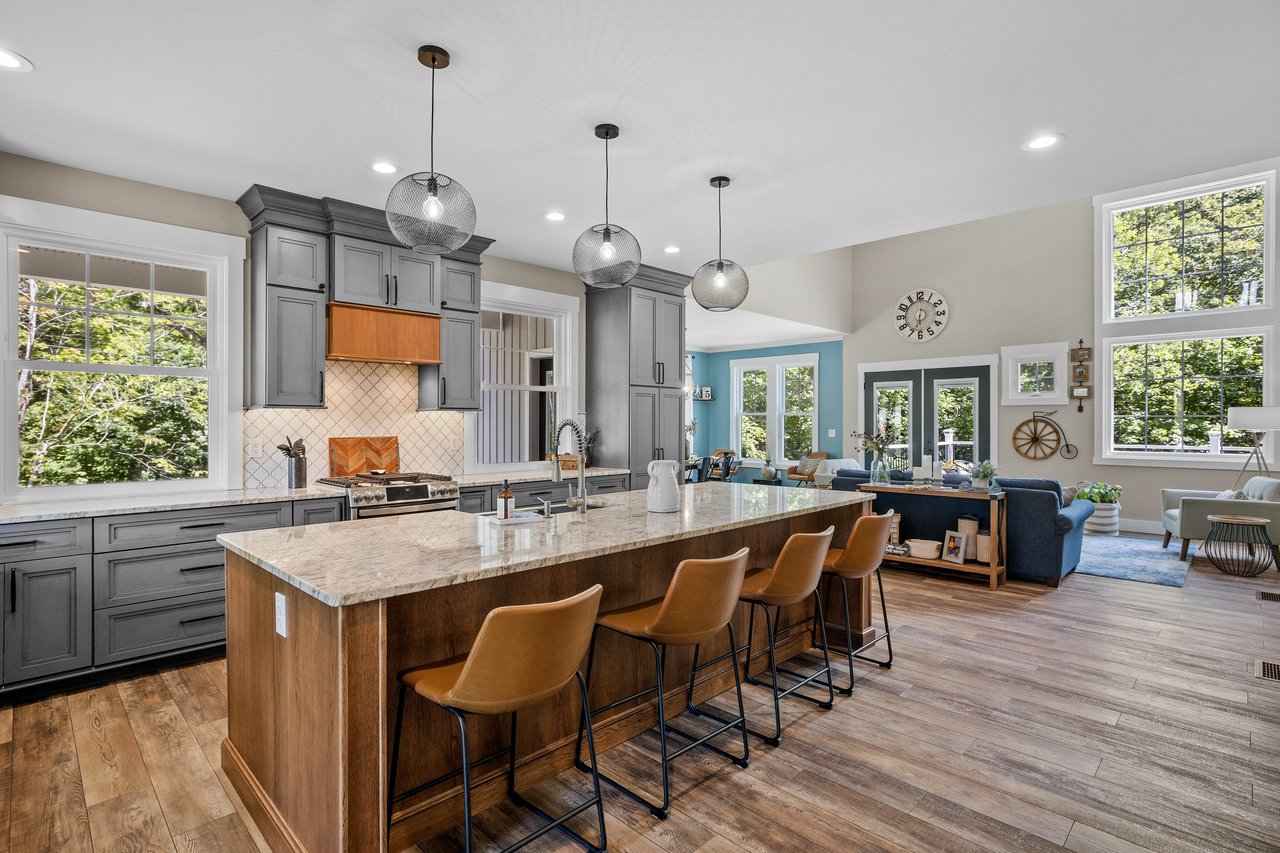
Restoring a historic home is a journey—one that blends craftsmanship, creativity, and respect for the past. Whether you're preparing a centuries-old colonial for sale or reviving a charming New England cottage, restoration is one of the most rewarding ways to enhance property value and appeal. In today’s market, buyers are increasingly drawn to homes with character, and a well-executed restoration can make your listing stand out.
Why Restoration Matters in Home Sales
Restoration isn’t just about aesthetics—it’s about storytelling. Buyers of historic homes want to feel a connection to the property’s legacy. Original details like hand-hewn beams, antique fireplaces, and wide-plank floors evoke a sense of authenticity that modern builds often lack. When these features are preserved and thoughtfully updated, they signal quality and care, which can translate into stronger offers and faster closings.
Top Restoration Strategies That Help Homes Sell Faster
1. Preserve and Highlight Original Features
Restoration begins with honoring what’s already there. Exposed brick, vintage hardware, and original woodwork should be cleaned, repaired, and showcased—not covered up.
Best for: Living rooms, entryways, and staircases
2. Blend Modern Comforts with Historic Charm
Buyers want the best of both worlds. Integrate modern amenities like updated kitchens and bathrooms while keeping the home’s character intact. Use classic materials—like soapstone, subway tile, and shaker cabinetry—to bridge old and new.
Best for: Kitchens, bathrooms, and laundry rooms
3. Use Historically Inspired Paint Colors
Color plays a powerful role in restoration. Earthy tones, muted blues, and warm whites reflect traditional palettes and enhance architectural details. An interior designer can help select colors that complement both the home’s history and buyer preferences.
Best for: Dining rooms, trim, and built-ins
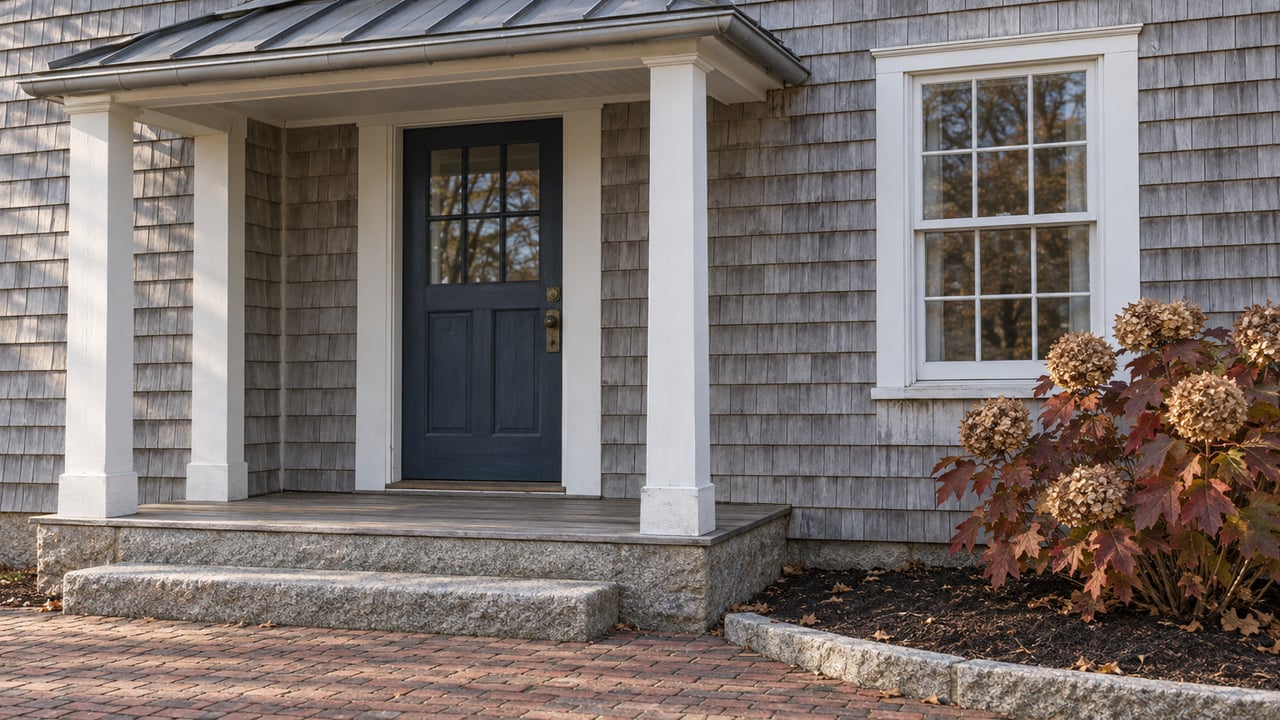
4. Restore Windows and Doors
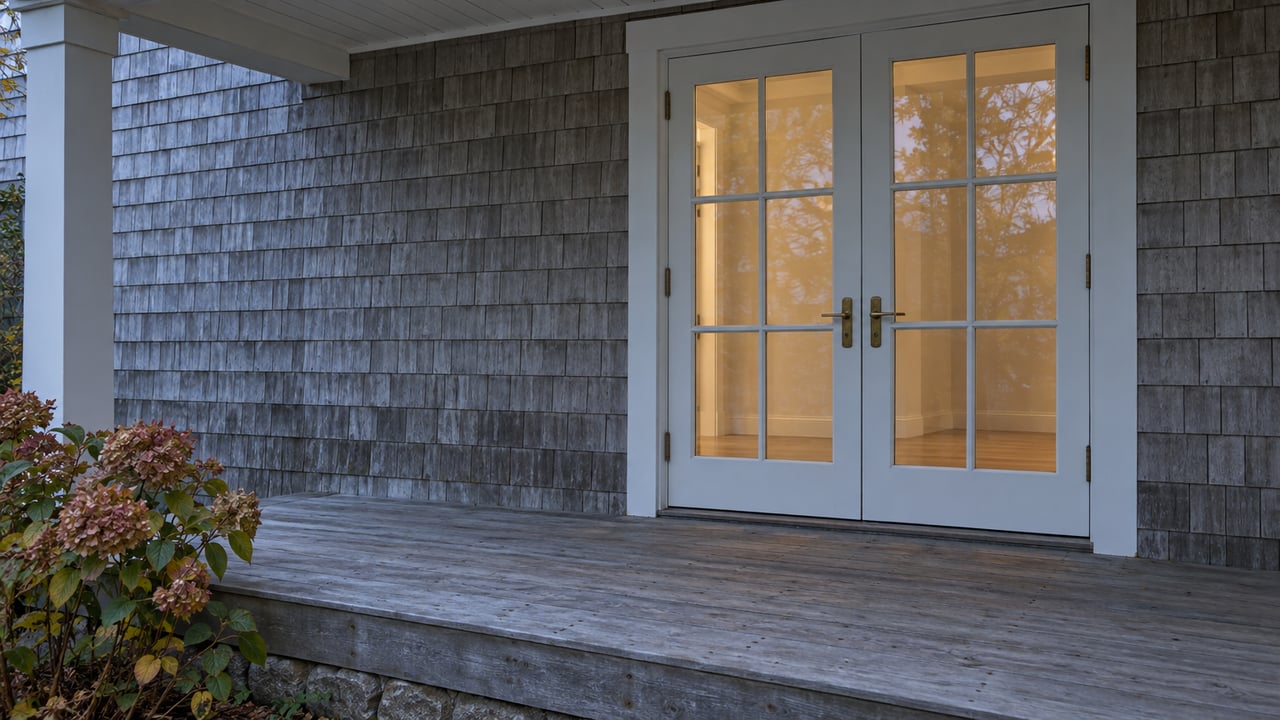
Original windows and doors often feature craftsmanship that’s hard to replicate. Rather than replacing them, consider restoration with energy-efficient upgrades like storm inserts or weatherstripping.
Best for: Bedrooms, sunrooms, and front facades
5. Refresh Landscaping with Period-Appropriate Touches
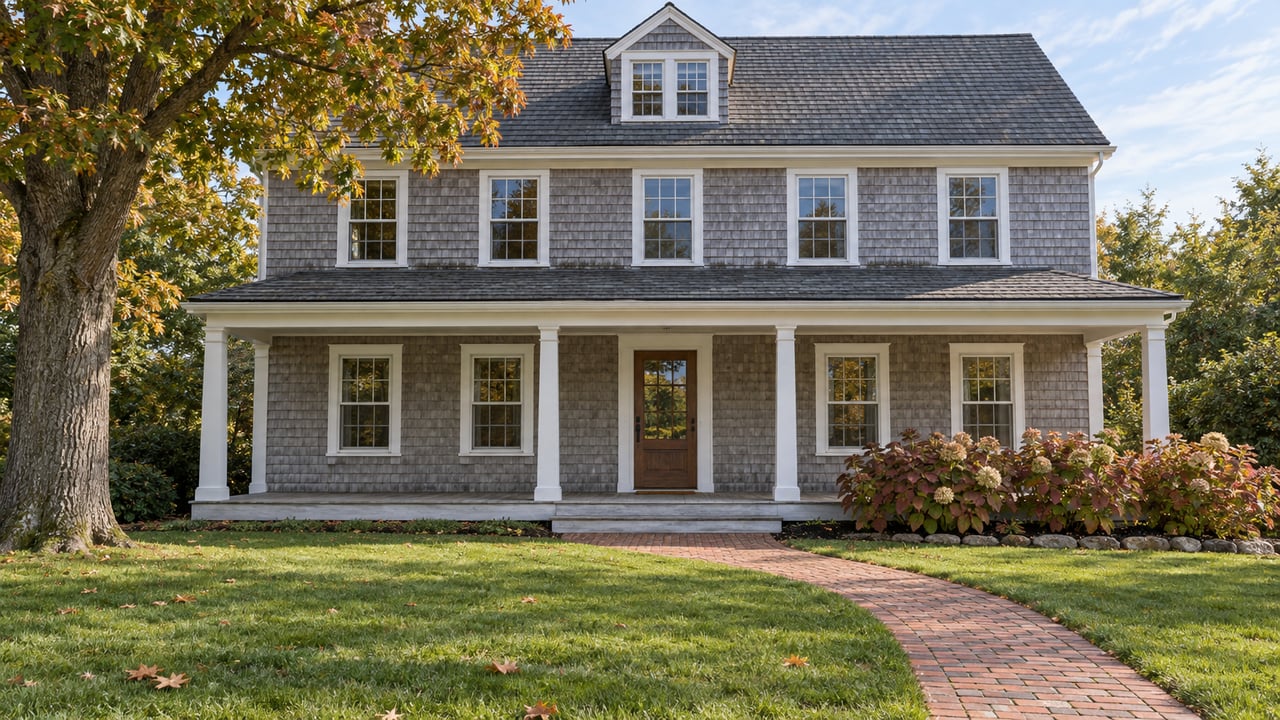
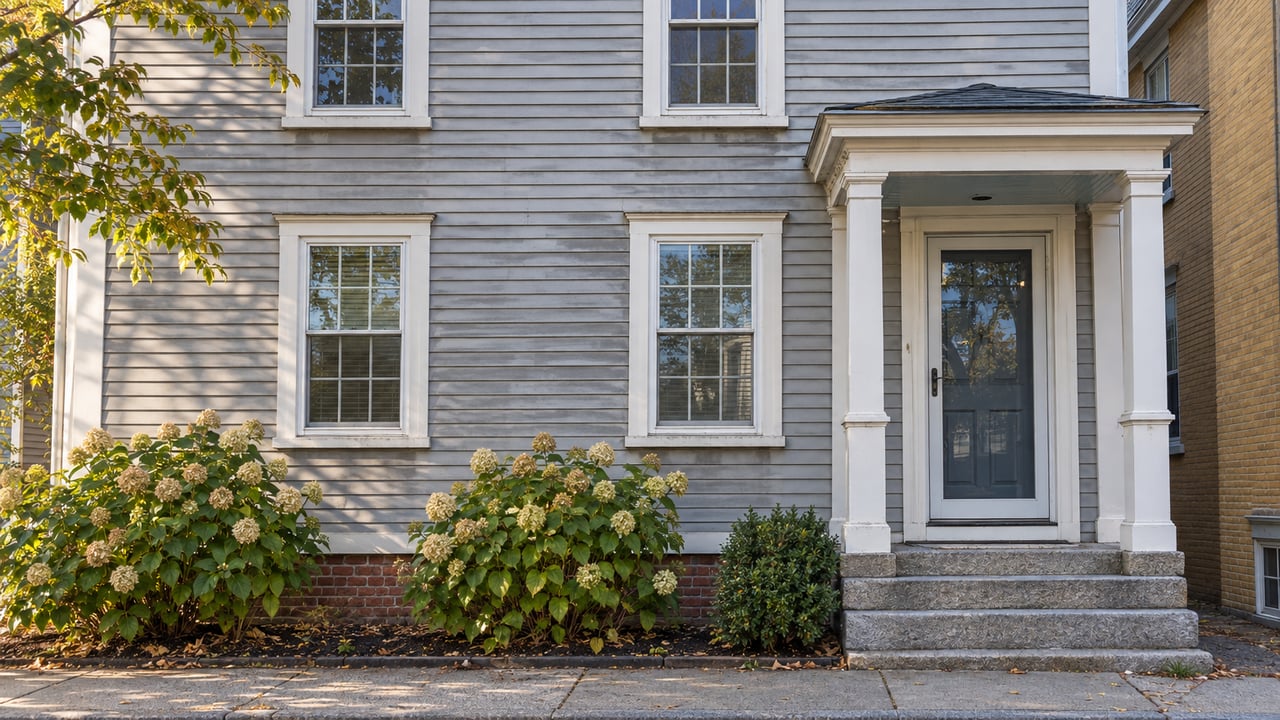
Curb appeal matters—especially for historic homes. Use heirloom plants, brick walkways, and traditional fencing to create a welcoming exterior that feels true to the home’s era.
Best for: Front yards, porches, and garden paths
Tips for Successful Restoration
- Work with an interior designer to choose colors and finishes that enhance the home’s character and appeal to buyers.
- Document the process with before-and-after photos to showcase the transformation.
- Use salvaged materials when possible to maintain authenticity.
- Balance restoration with functionality—buyers still expect modern conveniences.
- Stick to a cohesive style throughout the home to create flow and consistency.
Final Thoughts
Restoration is more than a renovation—it’s a revival. By thoughtfully bringing old homes back to life, you’re not only preserving history but also creating a space that resonates with today’s buyers. With the guidance of an experienced interior designer, your restoration choices can yield exponential ROI, making your property both beautiful and market-ready.
If you're restoring a historic home or cottage and considering a future sale, I’d be honored to be your trusted resource. As a real estate agent specializing in historic properties, let's collaborate regarding: the market, connecting with preservation experts, and positioning your home to attract buyers who value its unique character.
📞 Call Rob Cunningham at 925.999.6396
📧 Email: [email protected]
Let’s preserve the past—and prepare for your future.