Wakefield, Rhode Island is nestled along the Saugatucket River. It is celebrated for its historic Main Street, vibrant arts scene, and proximity to South County’s finest beaches. Wakefield has quietly established itself as a highly desirable enclave within southern New England’s real estate market. Over the past five years, Wakefield’s housing landscape has undergone compelling transformations, shaped by evolving economic conditions, demographic shifts, and the aftershocks of the pandemic. This in-depth review explores Wakefield’s real estate market from 2020 to 2025, focusing on home price trends, transaction costs, days on market, and sales volume.
Overview of Wakefield’s Real Estate Market
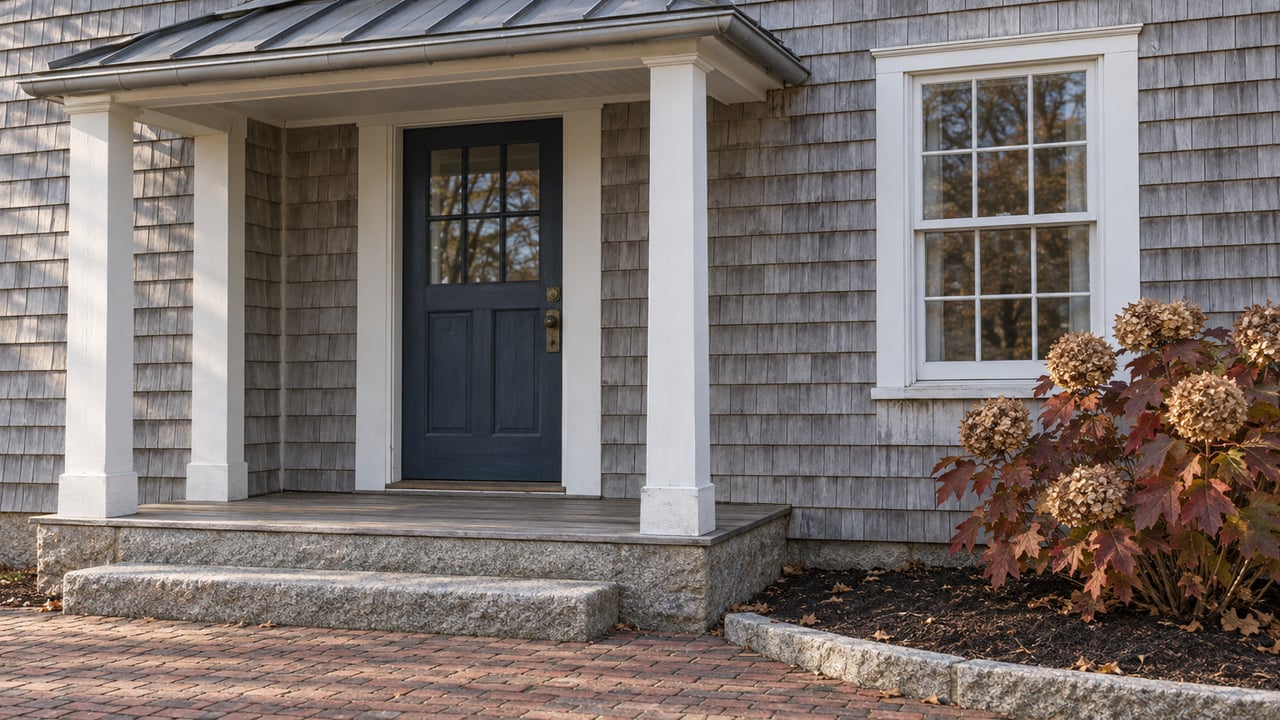
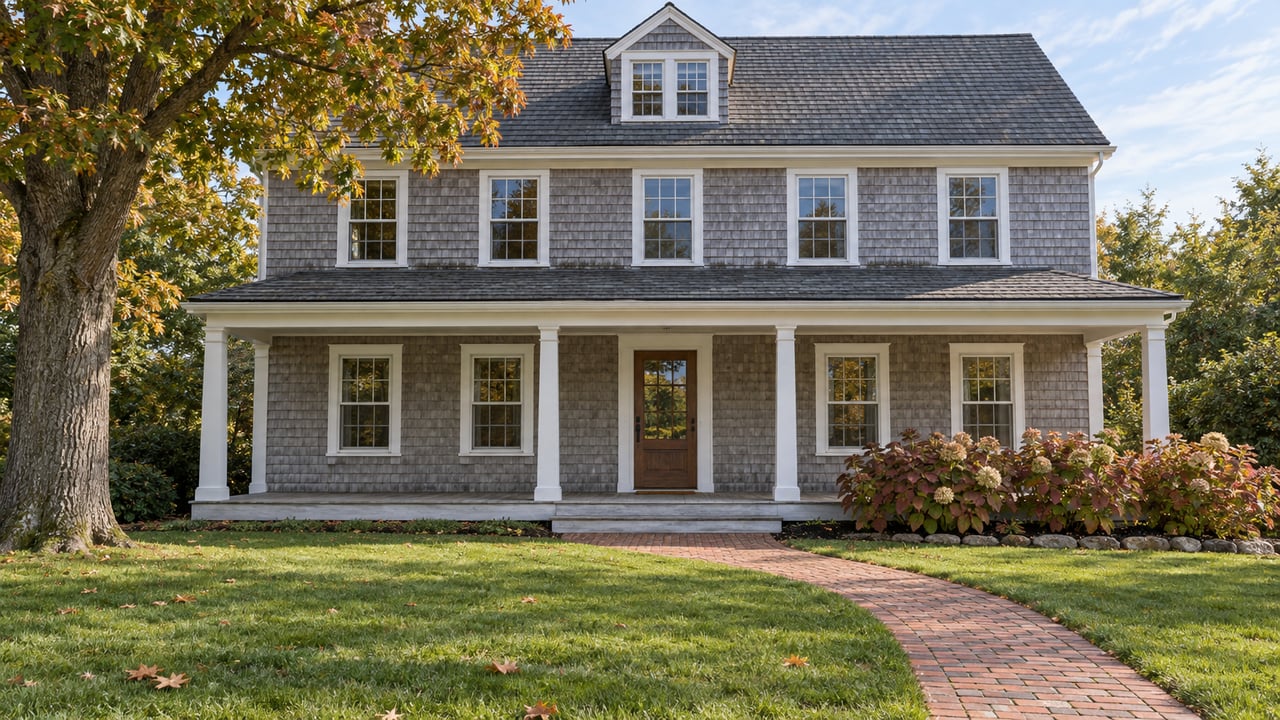
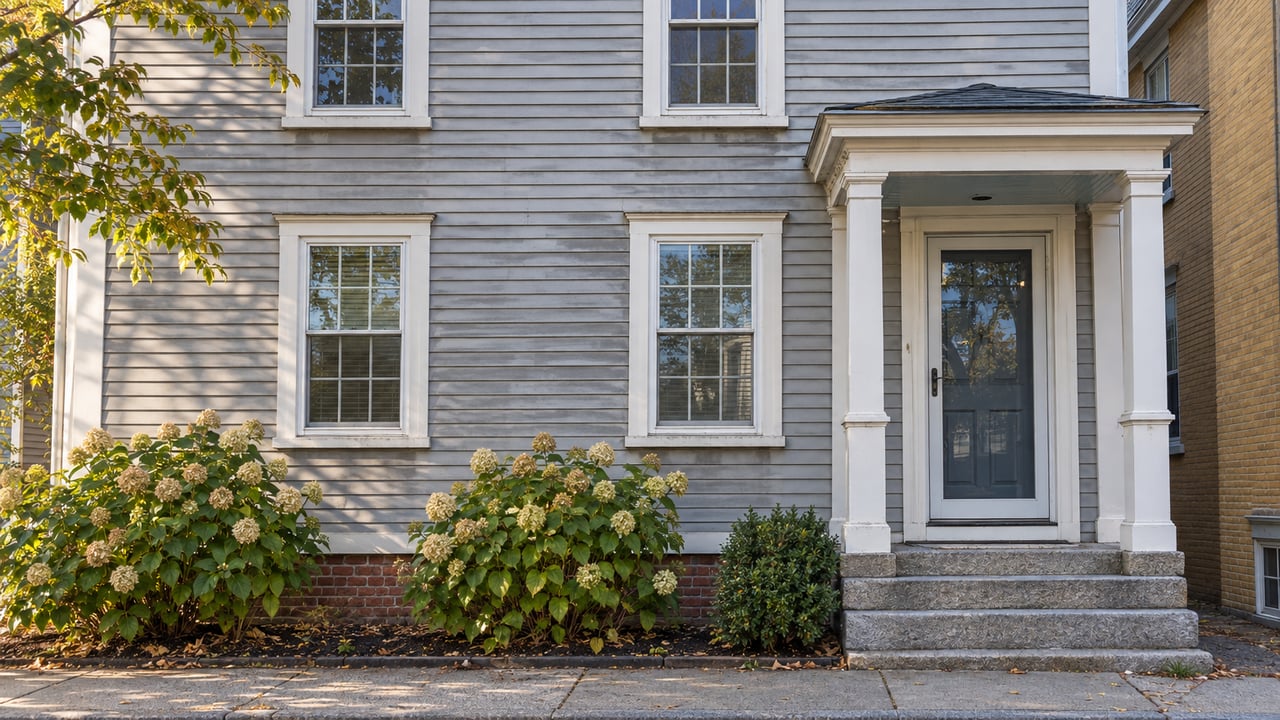
Wakefield’s real estate market is defined by a blend of historic colonials, charming Capes, mid-century homes, and new-build townhouses. These properties are set amid leafy neighborhoods and a walkable downtown. The town attracts a mix of local families, retirees, young professionals, and seasonal visitors, allured by its strong sense of community, access to local beaches, and convenient location between Narragansett and Kingston. Over the last five years, demand in Wakefield has grown steadily, propelled by buyer migration from urban areas, lifestyle changes favoring suburban space, and the enduring appeal of Rhode Island’s South County.
Home Price Trends: 2020–2025
Rising Values and Red-Hot Competition
From 2020 through 2025, Wakefield’s home prices have seen notable appreciation, closely tracking trends in nearby coastal towns.
· In 2020, the median sale price for a single-family home in Wakefield was approximately $395,000.
· By 2021, the median price climbed nearly 12% to $443,000, as remote workers and out-of-state buyers sought space and fresh air.
· 2022 continued the upward trend, with median prices reaching around $478,000.
· In 2023, the town’s popularity and tight inventory pushed the median price to $510,000.
· By summer 2025, Wakefield’s median sale price approached $545,000—a five-year increase of over 38%.
Drivers of Price Growth
· Desirable location near beaches and the University of Rhode Island
· Low housing inventory and limited new development opportunities
· Surge in remote work and demand for turn-key suburban homes
· Steady influx of buyers from New York, Connecticut, and Massachusetts
Change in Costs: Mortgage Rates, Taxes, and Maintenance
Mortgage Rates
Borrowing costs in Wakefield mirrored national trends, with record-low interest rates under 3% during 2020 and 2021 fueling a buying frenzy. By late 2022 and throughout 2023, rates surged above 6% due to rising inflation, which cooled (but did not reverse) price growth. In 2024 and 2025, sustained higher rates made buyers more selective, though Wakefield’s enduring appeal helped maintain elevated values.
Property Taxes and Insurance
Wakefield’s property taxes have risen in step with increasing home values, though they remain competitive with other South County communities. Homeowners, especially those near the river or within flood risk zones, faced insurance premium hikes—some increasing 20–25% over five years—reflecting higher replacement costs and more cautious underwriting by insurers.
Maintenance and Renovation
Annual maintenance and renovation expenses for Wakefield homeowners have climbed by an estimated 10–15% since 2020, driven by persistent supply chain issues, inflation in building materials, and greater demand for home upgrades like energy efficiency and storm-hardening.
Days on Market: Homes Sell at Record Pace
Quick Turnarounds and Competitive Offers
The average days on market (DOM) for Wakefield homes fell sharply during the early 2020s, underscoring robust demand and competitive bidding:
· In 2020, homes typically spent about 45 days on the market.
· By 2021, DOM dropped to just 22 days, with bidding wars common for move-in ready properties near Main Street or the riverfront.
· 2022 and 2023 saw homes selling in as little as 15–18 days on average, with some listings going under contract within days of hitting the market.
· As mortgage rates increased in 2024 and 2025, the pace moderated to 25–30 days—still well below pre-pandemic averages.
Cash offers, escalation clauses, and waived contingencies became frequent, especially for homes in Wakefield’s most walkable and desirable pockets.
Number of Homes Sold: Inventory Sets the Pace
Sales Volume and Constraints
Annual sales trends in Wakefield reflected both the relentless appetite for homes and the limits imposed by scarce inventory:
· In 2020, about 160 single-family homes were sold.
· 2021 saw a peak of roughly 190 sales as new buyers flooded the market.
· 2022 held steady at 180 homes sold.
· 2023 experienced a slight dip to 165 sales, as available listings became scarcer.
· By mid-2025, annual sales stabilized near 170 homes, underscoring ongoing demand despite rising prices and borrowing costs.
Limited new construction, long-term ownership, and preservation efforts capped the number of homes coming to market, ensuring price support and competitive sales activity.
Market Drivers and Demographic Shifts
· Out-of-State Buyers: A significant share hailed from metropolitan Boston, New York, and Connecticut, drawn by Wakefield’s access to beaches, amenities, and a relaxed lifestyle.
· Retirees and Empty-Nesters: The area’s healthcare resources and quiet neighborhoods remained a strong draw.
· Investors: Wakefield attracted investors seeking short-term rental properties and long-term appreciation, capitalizing on summer tourism and URI proximity.
· Local Buyers: Entry-level home competition intensified, pushing up prices and tightening affordability for first-time buyers and local families.
Challenges Facing Wakefield’s Market
Affordability Concerns
The rapid rise in home values has placed ownership beyond the reach of many local residents, heightening demand for rental properties and accessory dwellings.
Balancing Preservation and Growth
Wakefield’s commitment to preserving its small-town charm, walkable downtown, and natural resources has constrained new development, exacerbating inventory shortages and supporting elevated prices.
Climate and Insurance Pressures
As with other South County communities, climate-related risks—flooding, severe storms—contributed to rising insurance premiums and increased buyer diligence, especially for homes near the river or flood zones.
Looking Forward: The Next Five Years
While the prospect of higher mortgage rates and economic uncertainty may temper future price growth, Wakefield’s allure—its historic character, location near beaches, and vibrant downtown—suggests continued market strength. Stakeholders must focus on balancing the preservation of local identity with strategic development and improved housing affordability to ensure a sustainable, dynamic market.
Conclusion
From 2020 to 2025, Wakefield, RI, has seen substantial real estate appreciation, with median home prices rising more than 38%, days on market dropping to historic lows, and sales volumes robust despite tight inventory. The town’s blend of history, coastal beauty, and community spirit continues to draw buyers from across New England and beyond, securing Wakefield’s place as a sought-after and competitive South County destination.