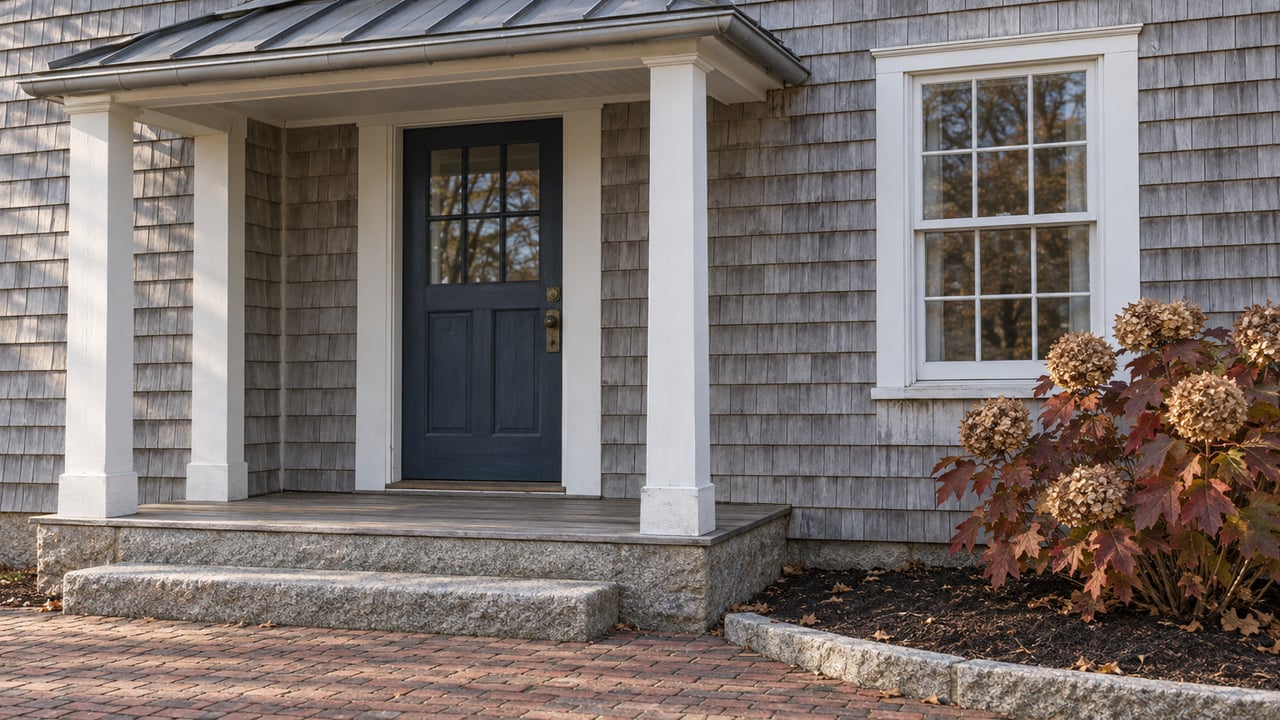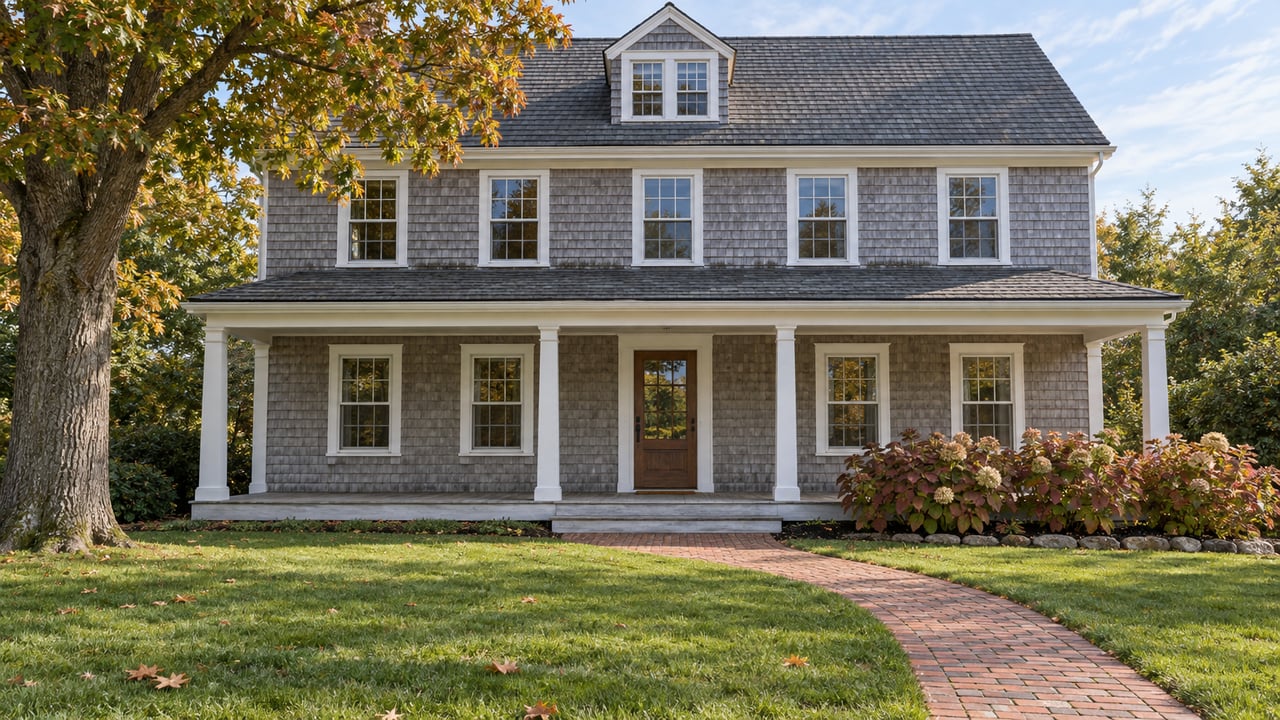
South Kingstown, Rhode Island, is known for its scenic coastline, thriving local culture, blend of historic villages and modern amenities. South Kingstown has experienced significant transformation in its real estate landscape over the past five years. Echoing regional trends yet retaining a unique character, South Kingstown’s market has seen pronounced changes shaped by economic shifts, buyer migration, and the evolving demands of post-pandemic living. This comprehensive review explores South Kingstown’s real estate market from 2020 to 2025, focusing on home price trends, transaction costs, days on market, and sales volume.
Overview of South Kingstown’s Real Estate Market
South Kingstown’s real estate market features a diverse mix of colonial farmhouses, waterfront escapes, suburban neighborhoods, and university-adjacent properties. The town attracts families, retirees, professionals, investors, and second-home buyers, drawn by its quality schools, access to beaches, and vibrant community life. Over the last five years, the market has been defined by surging demand, especially from buyers seeking more space, flexible work-from-home options, and a blend of rural tranquility and coastal lifestyle.
Home Price Trends: 2020–2025
Rising Values and Competitive Bidding
From 2020 through 2025, South Kingstown’s home prices have followed the broader southern Rhode Island pattern of steady appreciation, accelerated by the region’s desirability and supply constraints.
· In 2020, the median sale price for a single-family home in South Kingstown was approximately $405,000.
· By 2021, heightened buyer activity pushed the median price to $465,000—an increase of nearly 15% year-over-year.
· 2022 continued the trend, with median prices reaching $510,000 as remote workers and out-of-state buyers drove competition for limited inventory.
· In 2023, the median sale price climbed to $545,000, fueled by high demand for homes near beaches, the University of Rhode Island, and the town’s historic centers.
· By summer 2025, South Kingstown’s median sale price approached $570,000, marking a five-year growth of roughly 40%.
Drivers of Price Growth
· Remote work and changing lifestyle priorities increased demand for larger homes, dedicated office space, and outdoor amenities.
· Limited new construction, due to conservation efforts, zoning restrictions, and limited available land, kept inventory tight.
· Desirability of coastal and water-adjacent homes remained strong, with price premiums for properties in areas like Matunuck, Green Hill, and Snug Harbor.
· Scarcity of listings in family-friendly neighborhoods and near the university amplified competition among buyers.
Change in Costs: Mortgage Rates, Taxes, and Maintenance
Mortgage Rates
Financing costs in South Kingstown reflected national trends, with record-low mortgage rates—often below 3%—in 2020 and 2021 spurring a buying rush. As inflation rose, rates climbed above 6% by late 2022 and 2023, making affordability a challenge for some buyers. Despite increased borrowing costs in 2024 and 2025, persistent demand and limited supply kept home values elevated.
Property Taxes and Insurance
· Property taxes moderately increased in step with rising home values. South Kingstown’s tax rates remain competitive within Rhode Island, appealing to both local buyers and newcomers from higher-tax states.
· Insurance premiums, particularly for homes near the coastline or in flood-prone areas, rose sharply over five years—some by 20–25%—as insurers responded to climate risks and higher construction costs.
Maintenance and Renovation
· Supply chain disruptions and inflation drove up maintenance and renovation costs. Homeowners reported annual expenses rising by 12–18% since 2020, especially for older homes requiring updates or storm resilience improvements.
· Demand for energy-efficient upgrades and weatherproofing increased, further influencing renovation spending.
Days on Market: Homes Move Faster Than Ever
Declining Market Times
The average days on market (DOM) for homes in South Kingstown dropped noticeably in the early 2020s, reflecting robust demand and limited inventory.
· In 2020, homes typically spent 45–50 days on the market.
· By 2021, DOM fell to around 28 days, with multiple offers becoming routine on well-located or updated properties.
· 2022 and 2023 saw DOM shrink further, averaging 18–21 days; in many cases, desirable homes went under contract within a week of listing.
· By summer 2025, as interest rates rose, average DOM moderated to 30–35 days—still far quicker than pre-pandemic norms.
Multiple Offers and Competitive Sales
· Cash buyers and rapid closings became increasingly common, particularly for homes near beaches or the university.
· Waived contingencies, escalation clauses, and sight-unseen offers reflected intense competition in desirable neighborhoods.
Number of Homes Sold: Inventory Sets the Pace
Sales Volume Trends
The number of homes sold each year in South Kingstown mirrored demand but was tempered by inventory constraints:
· In 2020, about 270 single-family homes were sold.
· 2021 saw a surge to around 325 sales as buyers rushed to secure properties amidst low rates and pandemic-driven relocations.
· 2022 maintained strong sales at roughly 310 homes sold.
· 2023 recorded a slight dip to 285, as inventory tightened and prices peaked.
· By mid-2025, annual sales stabilized near 290 homes, demonstrating continued but measured demand in a high-cost environment.
Inventory Constraints
· Conservation efforts, longstanding ownership, and limited new developments kept the number of listings low, sustaining high prices and swift sales.
· Buyer demand consistently outstripped supply, especially for homes in sought-after beach communities and near university amenities.
Market Drivers and Demographic Shifts
· Out-of-State Buyers: Significant numbers arrived from Connecticut, Massachusetts, and the New York metropolitan area, seeking coastal escapes, investment opportunities, or relocations tied to remote work.
· University Influence: The University of Rhode Island contributed to strong rental and purchase demand, especially among faculty, students, and investors targeting off-campus housing.
· Retirees and Empty-Nesters: South Kingstown’s blend of amenities, healthcare access, and scenic setting continued to lure retirees.
· Local Buyers: Competition intensified for entry-level and mid-priced homes, making affordability an ongoing concern for residents and first-time buyers.
Challenges Facing South Kingstown’s Market
Affordability Pressures
Rapid home price appreciation placed ownership beyond the reach of many local families, driving increased demand for rental properties and accessory dwelling units.
Conservation vs. Growth
Efforts to protect South Kingstown’s unique landscapes and maintain historic charm have restricted large-scale new construction, contributing to ongoing inventory shortages and supporting elevated price levels.
Climate and Insurance
As with other Rhode Island coastal communities, climate risks—such as flooding, erosion, and severe storms—have driven up insurance costs and prompted closer scrutiny by buyers, especially in flood-prone or waterfront neighborhoods.
Looking Forward: The Next Five Years
With rising mortgage rates and broader economic uncertainties, the pace of growth may moderate. Nevertheless, South Kingstown’s enduring appeal—its beaches, village centers, university presence, and vibrant community—will likely sustain strong demand. Balancing preservation, measured development, and affordability will be essential to foster a resilient and thriving housing market.
Conclusion
Between 2020 and 2025, South Kingstown, RI, has undergone significant real estate appreciation, with median home prices rising by nearly 40%, days on market decreasing sharply, and annual sales volumes remaining robust amid persistent inventory constraints. The town’s coastal beauty, rich amenities, and dynamic local culture continue to attract buyers from across the region and beyond, reinforcing South Kingstown’s status as one of Rhode Island’s most desirable and competitive real estate markets.