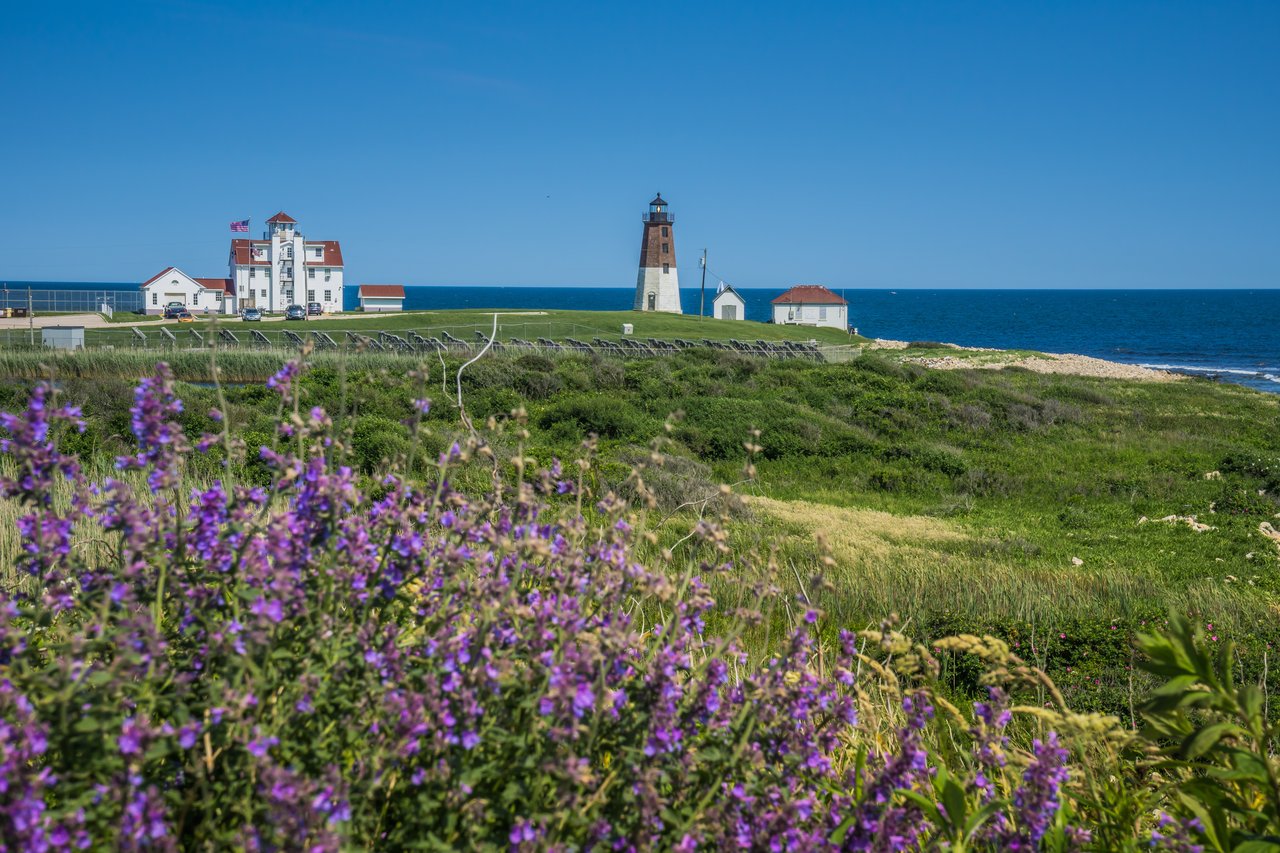
Jamestown, Rhode Island, perched serenely on Conanicut Island in Narragansett Bay, has grown into one of the state’s most coveted coastal enclaves. Over the past five years, Jamestown’s real estate market has been marked by rising home prices, shifting cost structures, and brisk sales—reflecting a wave of demand from buyers drawn by its tranquil beauty, historic character, and close-knit island lifestyle. This analysis explores Jamestown’s real estate market from 2020 to 2025, highlighting home price trends, transaction costs, days on market, and sales volumes.
Overview of Jamestown’s Real Estate Market
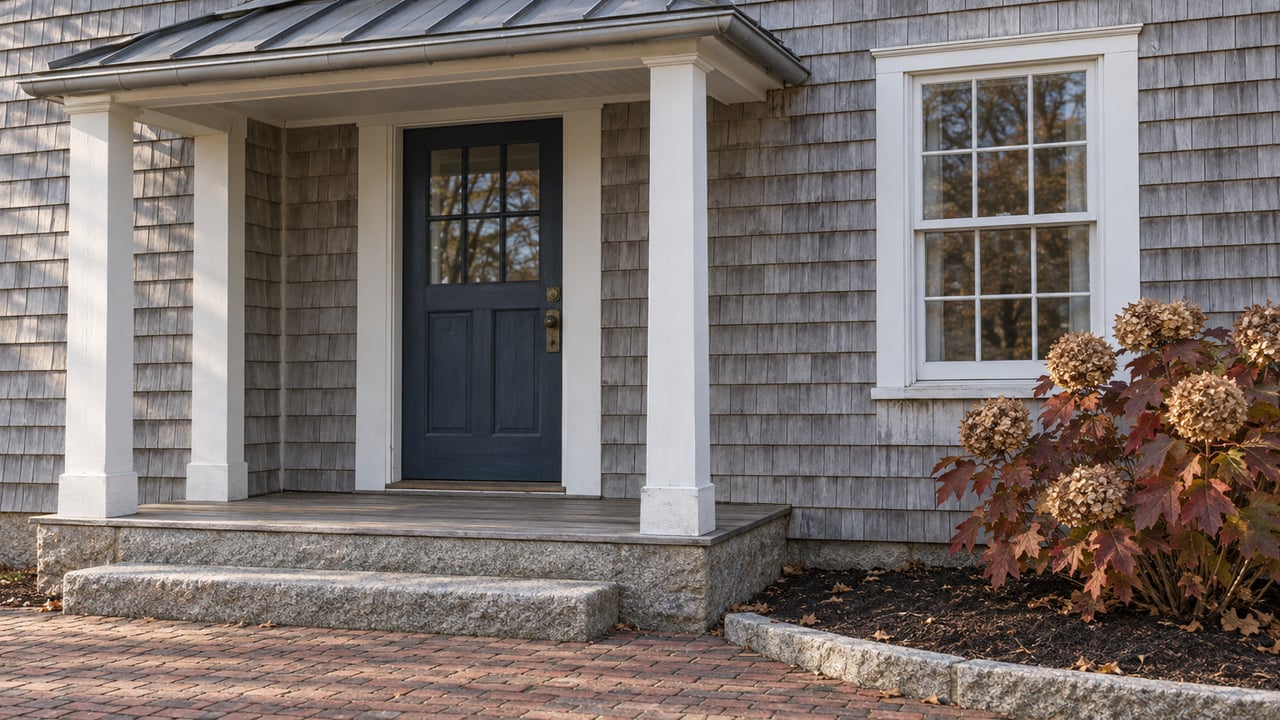
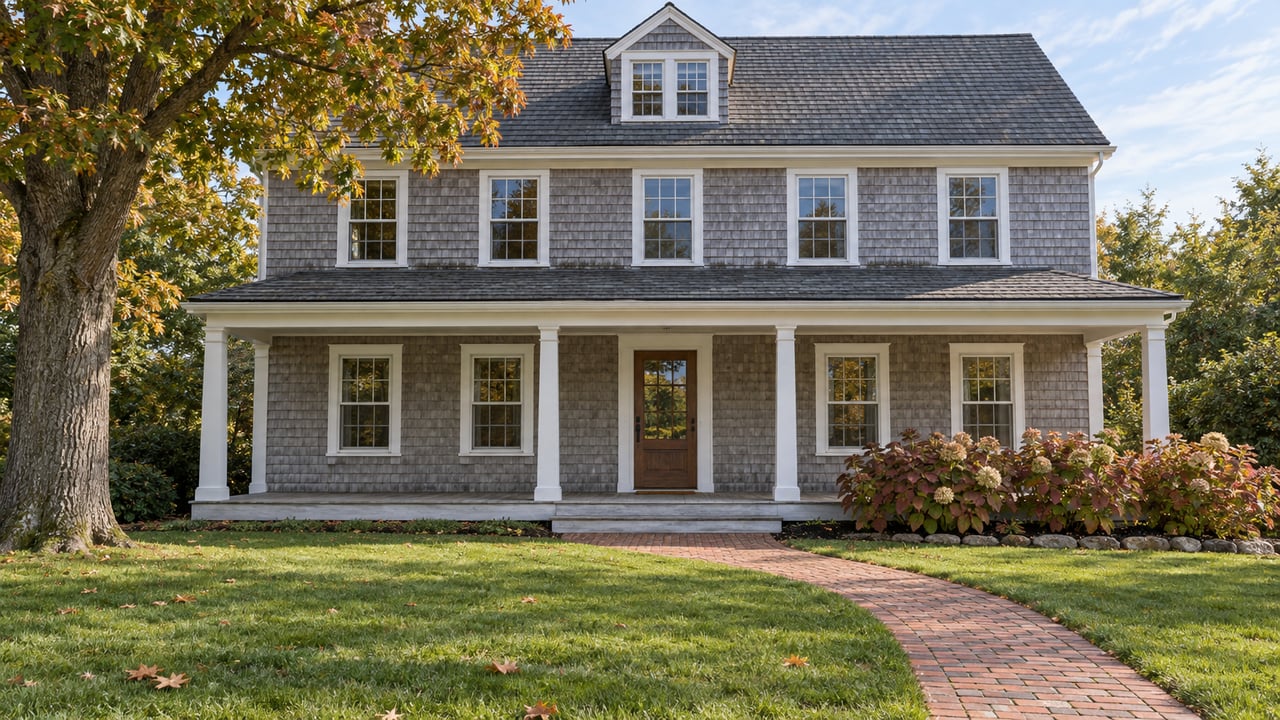
Jamestown’s market is defined by a blend of classic New England cottages, stately waterfront homes, and modern retreats, many offering sweeping views of the bay and Newport Bridge. Island living, with its privacy and access to boating and beaches, attracts a diverse mix of seasonal residents, retirees, and professionals seeking a peaceful escape within reach of Providence, Boston, and New York City. Like other Rhode Island resort towns, Jamestown has seen surging demand—especially from out-of-state buyers looking for year-round or vacation properties in a secluded, yet accessible, setting.
Home Price Trends: 2020–2025
Rising Values and Market Competitiveness
Between 2020 and 2025, Jamestown’s housing market witnessed substantial appreciation, with median sale prices climbing steadily each year as inventory remained scarce and demand resilient, especially during the early pandemic years.
· In 2020, the median sale price for a single-family home in Jamestown was approximately $760,000.
· By 2021, the median price surged nearly 15% to $875,000, driven by an influx of urban buyers and remote workers seeking space and scenic beauty.
· 2022 saw continued momentum, with median prices reaching $950,000 as buyers competed for limited listings, especially in waterfront neighborhoods.
· In 2023, the median price rose to $1,025,000, reflecting persistent demand and the appeal of Jamestown's quiet charm.
· By summer 2025, the median sale price approached $1,100,000—a five-year gain of nearly 45%.
Drivers of Price Growth
· Remote work and lifestyle changes prompted buyers to seek space, privacy, and natural beauty.
· Jamestown’s strict zoning, conservation efforts, and limited developable land constrained new construction.
· High demand for waterfront and view properties pushed premiums even higher.
· Low inventory, especially for move-in-ready homes, fueled competitive bidding and price escalation.
Change in Costs: Mortgage Rates, Taxes, and Maintenance
Mortgage Rates
Jamestown buyers, like those elsewhere, benefitted from record-low mortgage rates in 2020 and 2021—often below 3%—which intensified competition and pushed prices higher. As rates rose through 2023 and 2024, topping 6%, some buyers became more selective, but overall values remained strong due to the island’s exclusivity and limited supply.
Property Taxes and Insurance
Property taxes in Jamestown increased moderately over the period, generally tracking rising home values but remaining below some neighboring communities. Insurance premiums, especially for properties near the water or in flood-prone areas, escalated sharply—by up to 30% in some cases over five years—reflecting both increased home valuations and broader climate risk concerns.
Maintenance and Renovation
The cost of maintaining and improving homes on the island rose by 12–15% since 2020, as inflation and supply chain disruptions drove up prices for materials and skilled labor. Owners of older cottages and historic properties faced particularly steep increases, especially when upgrading for energy efficiency or storm resilience.
Days on Market: Quick Turnarounds and Intense Demand
Declining Market Times
Homes in Jamestown have been selling faster than ever, as strong demand and limited listings fostered a competitive environment:
· In 2020, the average days on market (DOM) for single-family homes was around 60 days.
· By 2021, DOM dropped to 35–40 days, with bidding wars becoming common for well-maintained properties.
· 2022 and 2023 saw homes selling in as little as 18–25 days, with some moving within days of listing.
· By 2024–2025, as mortgage rates rose and buyers became more deliberate, DOM edged up to 30–40 days—still significantly shorter than pre-pandemic norms.
Multiple Offers and Cash Buyers
Cash offers and waived contingencies became the norm, especially for prime locations and waterfront homes. Open houses drew eager crowds, and buyers often needed to act quickly—sometimes sight unseen—to secure a property.
Number of Homes Sold: Steady Demand Amid Low Inventories
Sales Volume Trends
The total number of homes sold reflected both robust demand and tight supply, with annual transactions fluctuating as inventory ebbed and flowed within the constraints of the island’s size and development limits:
· In 2020, about 85 single-family homes were sold in Jamestown.
· 2021 saw an increase to roughly 100 sales, as new buyers entered the market seeking refuge from urban areas.
· 2022 sales held steady at around 95 homes.
· 2023 experienced a slight dip to 88 sales, as listings tightened further and prices climbed.
· By mid-2025, annual sales stabilized near 90 homes, underlining persistent demand despite higher costs and constrained inventory.
Inventory Constraints
Chronic low inventory, shaped by Jamestown’s restrictive zoning, environmental protections, and long-term ownership, kept sales volume from rising in step with demand—helping sustain high prices and fostering a competitive market.
Market Drivers and Demographic Shifts
· Out-of-State Buyers: Many hailed from New York, Massachusetts, and Connecticut, attracted by the island’s tranquility and proximity to urban centers.
· Retirees and Second Home Buyers: Jamestown’s relaxed pace and scenic amenities drew retirees and vacationers alike.
· Investors: High demand for short-term rentals and the potential for appreciation attracted investor interest, though local regulations limited some rental activity.
· Local Buyers: Competition for entry-level homes intensified, with affordability becoming a growing concern for year-round residents.
Challenges Facing Jamestown’s Market
Affordability Pressures
Rapid price gains have placed homeownership out of reach for many local families, increasing demand for rental units and affordable housing options.
Balancing Preservation and Growth
Jamestown's preservation policies limit new construction, resulting in low inventory and keeping prices high.
Climate and Insurance Risks
Rising insurance costs and buyer scrutiny have followed heightened awareness of climate-related risks—particularly for homes near the water—mirroring trends across the coastal Northeast.
Looking Forward: The Next Five Years
While rising mortgage rates and broader economic uncertainty may slow future price gains, Jamestown’s enduring appeal—rooted in its island setting, community spirit, and natural beauty—suggests continued strength. Sustainable growth will depend on careful stewardship of resources and creative responses to affordability and access.
Conclusion
From 2020 to 2025, Jamestown, RI, has seen remarkable real estate appreciation, with median home prices rising by nearly 45%, days on market falling to historic lows, and sales volume remaining robust despite persistent supply constraints. Jamestown’s unique blend of privacy, coastal living, and community continues to draw buyers from across New England and beyond, keeping its market among Rhode Island’s most desirable and competitive.