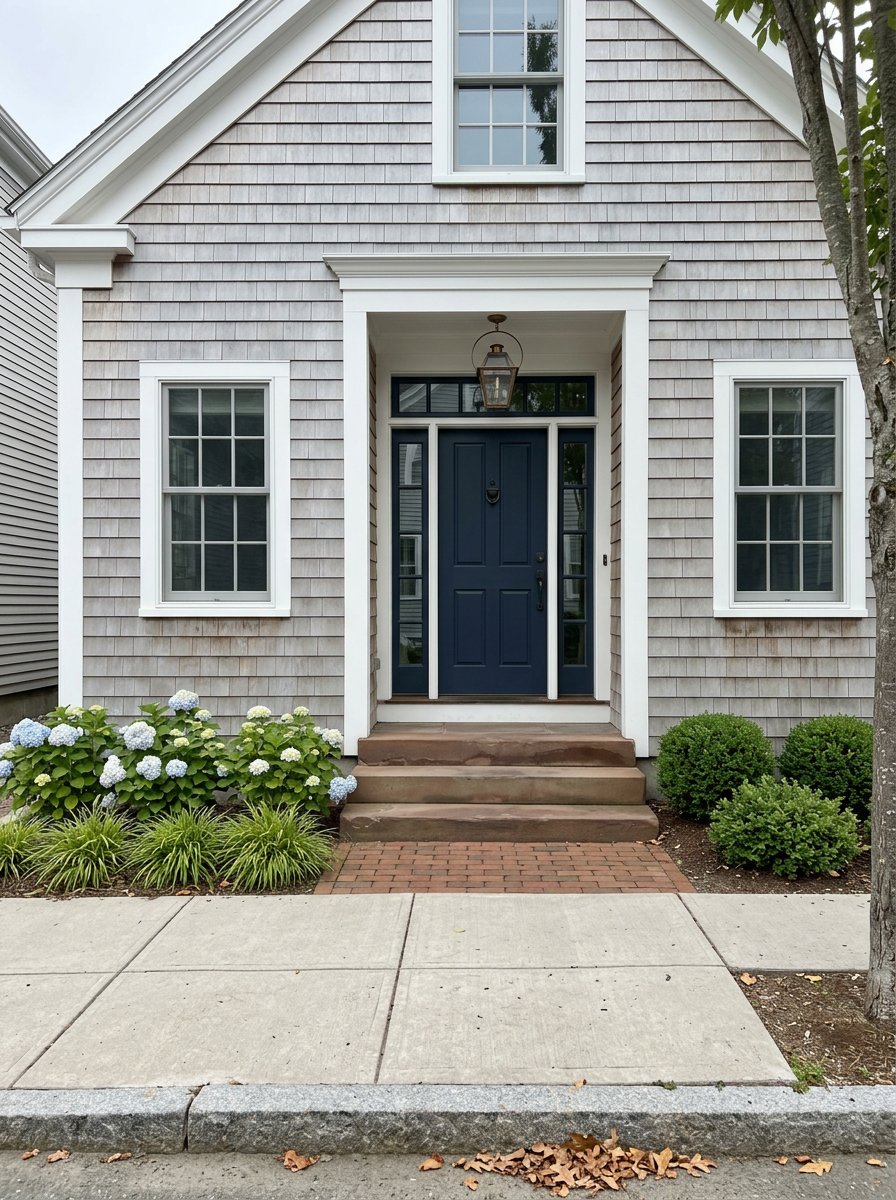
Thinking about buying a place your Brown student can walk to, or a pied-à-terre you can use on visits? You are not alone. Parents and alumni often look at College Hill for its historic charm and easy access to campus life. In this guide, you’ll learn how the neighborhood works, what typical homes look like, recent prices and rents, key rules to plan around, and practical next steps. Let’s dive in.
Why buy on College Hill
College Hill is the historic, walkable East Side neighborhood that includes Brown University and RISD. It is known for 18th–19th century architecture, Benefit Street’s “Mile of History,” and a blend of residential and small commercial blocks. The American Planning Association profiles why this area stands out as a preserved, livable city neighborhood. You can explore that context in the APA’s overview of College Hill.
Because Brown’s main campus sits on College Hill, many addresses are a short walk to classes, Thayer Street, the RISD Museum, and Prospect Terrace. That proximity drives steady student rental demand and helps you or your student keep daily life simple.
What you can buy
You will see a wide mix of housing. Options range from high-style Federal and Georgian rowhouses to larger single-family homes, classic triple-deckers, and multi-unit buildings. Many properties are historic and some have been adapted over time into multi-family layouts. Condos exist, but the supply is limited compared to houses and small multi-units.
If you want a place your student can share with roommates, a two- or three-unit building or a flexible single-family layout may fit. If you prefer occasional owner use and low maintenance, a condo or well-kept single-family can work. The right match depends on how you plan to use the home during and after your student’s time at Brown.
Market at a glance
- Sale prices: The College Hill median sale price was about $885,000 as of Redfin’s Dec 2025 and Jan 2026 reporting window. Source: Redfin neighborhood market summary.
- Rents: Zip code 02906 (which includes College Hill) showed a median rent near $2,700/month in December 2025. Realtor.com’s College Hill snapshot around the same time reported about $2,550/month. Source: Realtor.com market overviews.
Values and rents vary by street, building condition, and layout. Use these figures as a starting point and confirm current numbers when you are ready to write an offer.
Redfin’s College Hill market page and Realtor.com’s 02906 overview provide the snapshots cited above.
Taxes and carrying costs
Providence sets property tax rates annually and uses different tax classes for owner-occupied and non-owner-occupied homes. Before you budget, check the current fiscal year’s numbers in city materials and local reporting. You can review a recent budget press release from the Providence City Council for context on how rates are set each year.
- Action step: Decide whether the home will qualify for an owner-occupied rate or be held as non-owner-occupied. That classification can affect your annual carrying cost.
Learn more in the City Council’s FY 2024 budget announcement and confirm the current fiscal year before you buy.
Rules that shape your plan
Historic district review
Much of College Hill sits within a local historic district. Exterior work visible from the street often needs Providence Historic District Commission (PHDC) review and approval. Interior work usually follows building codes without PHDC review. If you are planning new dormers, additions, window changes, or facade work, start with the city’s PHDC page and design guidance.
- Action step: Before you bid, confirm whether the parcel is in a local historic district and factor review timelines into your schedule.
See the city’s guidance on the Providence Historic District Commission page.
Rental registry and lead compliance
Rhode Island requires most landlords to register rentals in the statewide Rental Registry. For pre-1978 homes, valid lead conformance or certification is required where applicable. The state has established civil fines for non-registration and for failing to produce required lead documents. Many College Hill buildings are pre-1978, so plan for lead assessment and any remediation before you list for rent.
Review the state’s announcement on the RI Rental Registry and lead requirements.
Short-term rentals
Short-term rentals listed on hosting platforms must be registered with the Rhode Island Department of Business Regulation (DBR), and local zoning may add further limits. If you plan a hybrid strategy with occasional short-term use or summer sublets, register and follow the applicable state tax and safety rules.
See DBR’s page on short-term rental registration.
Security deposits
Rhode Island limits residential security deposits to one month’s periodic rent and sets rules for returns and itemization. Build this into your lease planning and cash flow.
You can read the deposit statute at R.I. Gen. Laws §34-18-19.
Student demand and lease timing
Brown houses many undergraduates on campus through certain semester levels. Upper-year students and approved exceptions can live off campus. That policy shapes predictable off-campus demand. It also helps set the rhythm for when leases start and end.
New-student move-in is carefully scheduled in late August, with time slots and orientation activities. If you lease to students, align your lease dates and turnover plans with Brown’s calendar to reduce friction on move-in days. For eligibility details, see Brown’s Residential Life off-campus eligibility page.
Common student-lease patterns include:
- 12-month leases with summer sublet options
- Academic-year leases that begin in late summer or early fall
- Renewal offers issued midyear to lock in the next cycle
Buying strategies that work
Owner-occupied or pied-à-terre
This can be the simplest path. You control the home, use it for visits, and carry fewer landlord compliance items. The tradeoff is less rental income to offset costs.
Long-term student rental
A multi-unit or flexible single-family can produce higher gross rent, but you should expect more turnover, wear, and compliance work. Build in a budget for maintenance and student-friendly finishes.
Hybrid approach
Some owners blend personal use with summer or occasional short-term rentals. This can improve overall returns but requires careful legal and tax compliance, including DBR short-term rental registration and any local rules.
Parent checklist for buying on College Hill
Use this quick list as you evaluate a property:
- Verify historic status: Is the parcel inside a local historic district? Start with the PHDC page. Exterior changes often need approval.
- Confirm rental registry and lead: For pre-1978 homes, plan for lead certification and register rentals per state rules. See the RI Rental Registry announcement.
- Check tax classification: Owner-occupied vs. non-owner-occupied rates affect your budget. Review recent city budget materials and confirm the current fiscal year. Start with the Providence City Council FY 2024 budget press release.
- Market reality check: Note the College Hill median sale price and recent rents. See Redfin’s neighborhood data and Realtor.com’s 02906 overview. Confirm current figures before you offer.
- Insurance and contractors: Get quotes for any planned updates and consider that historic homes may cost more to insure.
- Lease calendar: Decide your approach to student leasing and align turnover with Brown’s schedule. Review off-campus eligibility so your timing matches demand.
- Legal review: Use a Rhode Island lease that reflects current law and deposit rules under R.I. Gen. Laws §34-18-19.
Buying on College Hill can be both a lifestyle win and a smart long-term hold if you plan for the neighborhood’s historic fabric, Brown’s leasing rhythms, and Rhode Island’s rental rules. With clear goals and the right local guidance, you can make a confident decision that fits your family and your budget.
If you want a clear plan tailored to your situation, connect with Rob Cunningham for a friendly, no-pressure consultation. Rob owns property on College Hill, has family ties to Brown, and brings an investor’s eye to your search while managing the details that matter.
FAQs
What makes College Hill attractive to Brown parents?
- It is walkable to campus and daily amenities, features a diverse mix of historic homes, and has steady student rental demand supported by University proximity.
How much does it cost to buy near Brown?
- Redfin reported a College Hill median sale price around $885,000 in the Dec 2025 and Jan 2026 window. Actual prices vary by street, size, and condition.
Are there special renovation rules on College Hill?
- Yes. Many parcels lie in a local historic district, so street-visible exterior work often needs PHDC review. Interior updates generally follow building codes without PHDC review.
Can I rent to students right away?
- If the home is pre-1978 and you plan to rent, expect to secure required lead certification and register in the RI Rental Registry. Align lease dates with Brown’s academic calendar for smooth turnover.
Are short-term rentals allowed near Brown?
- Rhode Island requires DBR registration for short-term rentals on hosting platforms, and Providence may have local limits. Check rules before listing summer or short stays.
What should I know about security deposits in Rhode Island?
- The state caps residential security deposits at one month’s periodic rent and requires itemized returns within the statutory timeframe. Build this into your lease and cash flow planning.