Wondering why one Newport luxury listing feels like a dream buy while another, with similar photos and price, deserves a much closer look? In Newport, luxury value is not just about finishes, square footage, or a water view snapshot. If you are buying at the high end, you need to weigh historic rules, coastal risk, view durability, and intended use before you get attached. Let’s dive in.
Why Newport Luxury Homes Require More Review
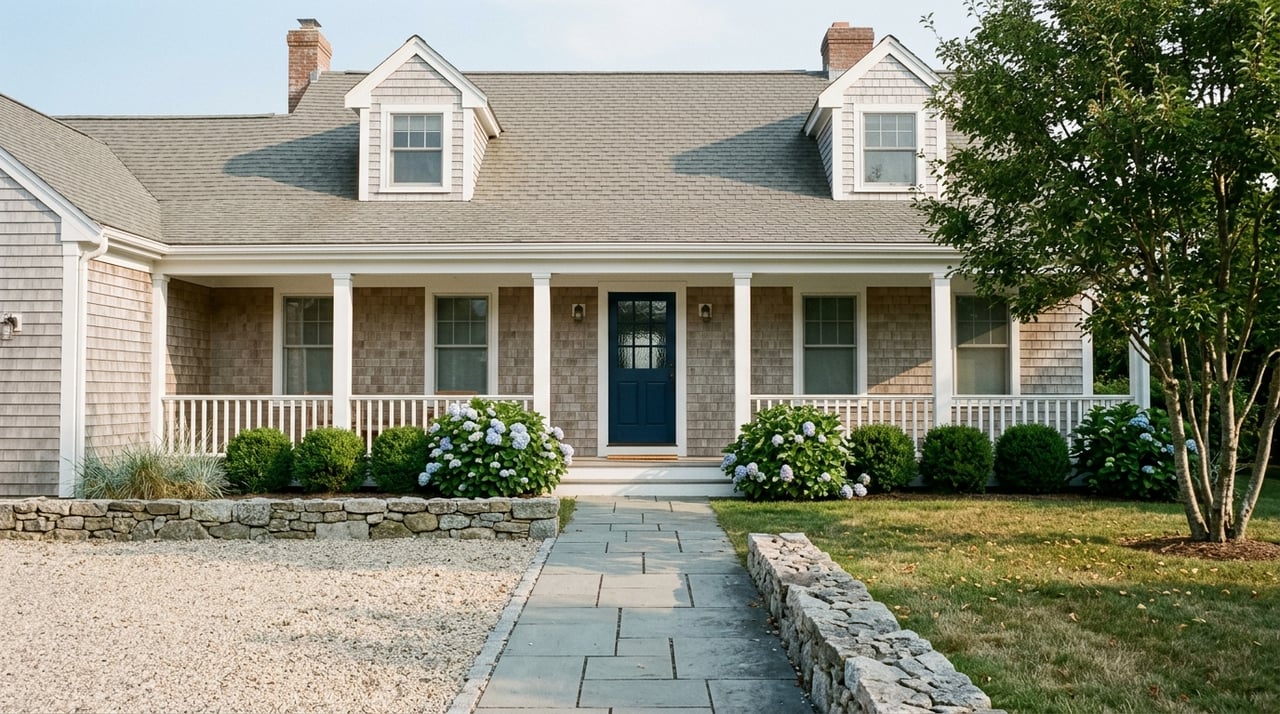
Newport’s luxury market has layers you do not find in many other coastal towns. According to the city, Newport’s architectural heritage spans three centuries, with more than 1,900 protected properties and about 40% of the city located within the Local Historic District. That means a home’s character, approvals, and exterior changes can matter as much as the kitchen or primary suite when you evaluate long-term value.
Certain areas carry even more weight in the luxury conversation. The city identifies Bellevue Avenue as a National Historic Landmark District, while Ocean Drive is treated as a sensitive shoreline area with a Critical Area Review process meant to protect scenic quality, vegetation, water quality, and natural habitats. In practical terms, buying luxury in Newport often means buying into a set of rules, protections, and site-specific considerations that deserve careful attention. City planning materials help show why.
There is also a real seasonal-use component in Newport. The city’s housing chapter reports that about 19% of housing units were seasonal and/or short-term occupancy in 2022, which means occupancy strategy can directly affect value, resale, and carrying costs. Newport’s housing chapter is a helpful starting point if your purchase may involve part-time use or rental planning.
Start With the View
A strong Newport luxury listing should be evaluated as a view corridor, not just a beautiful image online. Research shows that desirable views can add value, but the premium depends on the quality of the view, distance to the water, and local market conditions. A panoramic water view and a peek of the harbor are not valued the same way, even if both photograph well.
When you tour a property, ask yourself whether the view is panoramic, partial, elevated, or vulnerable to change. Look at neighboring parcels, rooflines, tree coverage, and any nearby lot that could affect the outlook in the future. View-premium research supports the idea that permanence matters, so this is not just a lifestyle question. It is a pricing question too.
Questions to Ask About the View
- Is the water view direct, angled, seasonal, or partial?
- Does the home sit high enough to protect that view line?
- Could neighboring additions, landscaping, or parcel changes affect the outlook?
- Does the value seem driven by the view, and if so, how durable is that premium?
Look Past "Renovated"
In Newport, a luxury home described as renovated should really be understood as renovated with proper approvals until proven otherwise. The city’s Historic District Commission states that exterior work in the historic district must be reviewed and approved before work begins, with limited exceptions for minor maintenance. That can include windows, doors, additions, decks, fences, walls, and landscaping-related site features.
This matters because design quality in Newport is tied to both aesthetics and compliance. A visually appealing renovation may still raise questions if materials, proportions, or exterior changes did not follow the proper process. Newport’s design guidelines make clear how broad that review can be.
The National Park Service offers another smart lens for buyers. Its rehabilitation guidance focuses on preserving historic character while allowing compatible use, including work to the exterior, interior, and site. In a market like Newport, rehabilitation standards from the National Park Service can help you distinguish between thoughtful restoration and updates that may not age as well.
What to Verify in a Renovated Luxury Home
- Historic District Commission approvals for exterior work
- Supporting photos, drawings, and material documentation
- Window and door records if those elements were replaced
- Evidence that the renovation preserved character-defining features
- Review history for decks, terraces, walls, fences, or landscape changes
Check the Site, Not Just the House
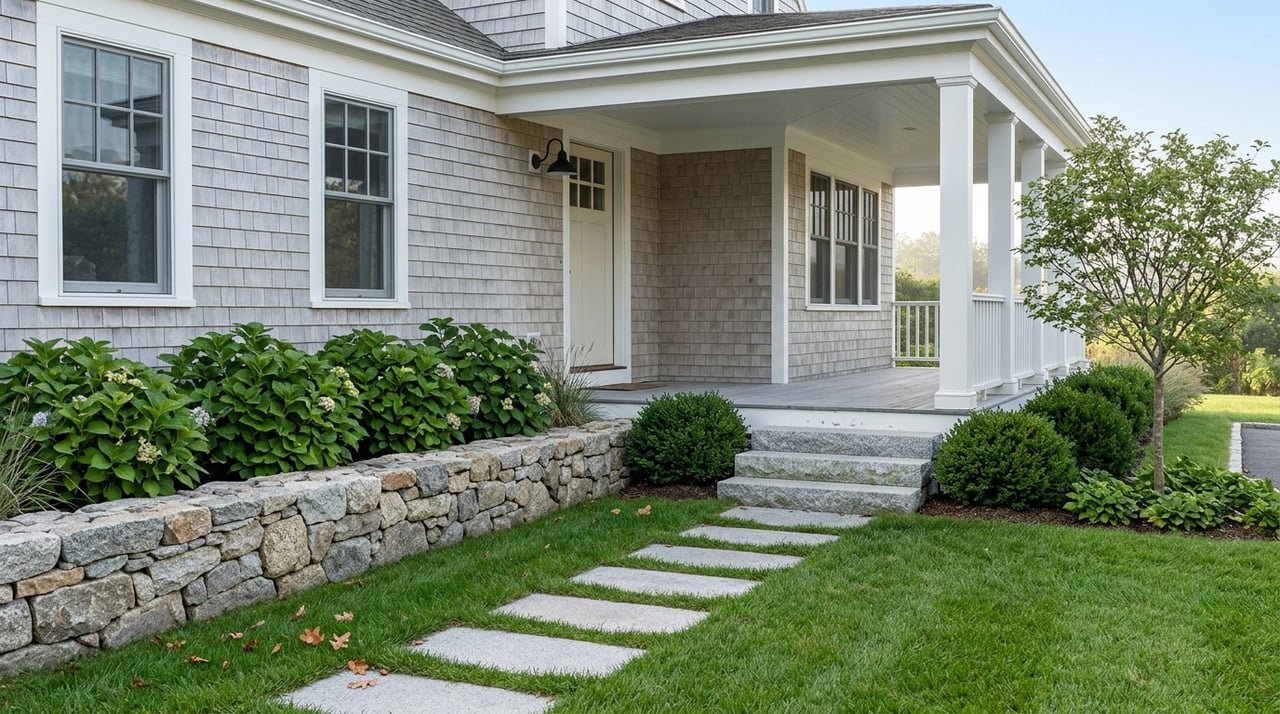
Luxury buyers sometimes focus heavily on interiors, but in Newport, the site can be just as important. Outdoor rooms, terraces, hardscape, walls, gates, and landscaping may all affect enjoyment, maintenance, and review requirements. That is especially true in areas where shoreline sensitivity or historic context shapes what can be changed over time.
If a property’s value story depends on expansive outdoor living, you should evaluate those features with the same care you give the kitchen or baths. Ask what was added, when it was added, and whether approvals were issued where needed. In a coastal market, the lot itself is part of the luxury package.
Make Flood Risk Part of Round One
Flood and coastal exposure should be an early filter, not a late-stage surprise. The Rhode Island Emergency Management Agency explains that FEMA Flood Insurance Rate Maps are the official source for flood-hazard information and that Special Flood Hazard Areas are the 1% annual-chance flood zones, commonly labeled A and V. You can review that framework through RIEMA’s floodplain mapping guidance.
Newport’s own hazard planning also identifies storm surge, coastal erosion, and sea-level rise as ongoing risks for shoreline areas. For luxury buyers, even a modest change in elevation assumptions or insurance requirements can materially affect annual carrying costs. That makes flood-map review, elevation data, and property history essential before you write an offer.
Flood Due Diligence Checklist
- Confirm current FEMA flood map status
- Ask for any available elevation certificate
- Request any map-change documentation
- Ask about known flood history or prior water intrusion
- Factor likely insurance costs into your ownership budget
Match the Property to Your Intended Use
Newport luxury buyers often look for flexibility. You may want a primary residence, a second home, a seasonal property, or a home with some rental potential. In Newport, those are not interchangeable categories, and the rules can affect both legality and financial performance.
The city defines a short-term rental as a lease of less than 30 days. Its housing chapter notes that, as of early 2024, homeowner-present short-term rentals of two bedrooms or fewer can be permitted as a home occupation in residential zones. At the same time, the city’s rental guidance explains that buyers should verify zoning, review guest-house rules, understand inspection requirements, and account for off-street parking standards, including one space per bedroom in that context. You can review those details in Newport’s rental guidance and the city housing chapter.
State tax treatment now matters too. Rhode Island has created a Non-Owner Occupied Property Tax, effective July 1, 2026, for certain residential properties assessed over $1 million that are not occupied by the owner for at least 183 days during the privilege year, subject to specific exemptions. If you are buying a second home or considering an income strategy, Rhode Island’s tax guidance should be part of your underwriting review.
Review Carrying Costs Carefully
In Newport’s upper-tier market, carrying costs can be significant. City budget materials report 2025 median assessed values of $834,300 for single-family homes and $7,462,300 for estate properties. These are assessed values, not sale prices, but they show how wide the luxury segment can be and why tax planning, insurance, and intended use deserve a close look. City budget documents provide that context.
When you compare two luxury listings, one may look like the better deal based on price per square foot. But if one has clearer historic documentation, lower flood exposure, stronger view durability, or a better fit for your occupancy plan, it may be the smarter long-term buy. In Newport, value is often hidden in the details.
Documents to Request Before You Offer
If you want to evaluate a Newport luxury listing like a pro, ask for documents early. Doing so can help you avoid surprises and sharpen your negotiating position.
Key Documents to Review
- Historic District Commission application and approval materials
- Window or door inventory and related evaluation records
- Current FEMA flood map status and any elevation certificate
- Rental registration, guest-house approvals, or special use permits if relevant
- Renovation records that show how the work preserved historic character
A Smarter Way to Evaluate Newport Luxury
The best Newport luxury buys usually stand out for four reasons: view quality and durability, integrity of historic fabric, clarity around flood and coastal exposure, and legal fit for your intended use. Those factors can influence enjoyment, resale, and carrying costs just as much as architecture, finishes, or bedroom count.
If you want a second set of eyes on a luxury property in Newport, working with a local adviser can help you move beyond the listing photos and into the details that protect value. If you are considering a coastal home, seasonal property, or historic residence in Newport, connect with Rob Cunningham for thoughtful, hands-on guidance tailored to your goals.
FAQs
What should you check first when evaluating a Newport luxury listing?
- Start with the four biggest value drivers in Newport: the view, historic approvals, flood exposure, and whether the property supports your intended use.
How do historic district rules affect Newport luxury homes?
- In Newport historic districts, exterior changes often require review and approval, so you should verify documentation for renovations, windows, additions, and site features.
Why does flood-zone status matter for Newport luxury buyers?
- Flood-zone status can affect insurance, carrying costs, and long-term ownership planning, especially for shoreline or water-oriented properties.
Can you rent out a Newport luxury home part-time?
- Possibly, but rental use depends on zoning, registration rules, occupancy type, and other local requirements, so you should confirm the property’s current legal fit before you buy.
What documents should you request for a renovated Newport historic home?
- Ask for Historic District Commission approvals, renovation plans, materials information, and any window or door records that help confirm the work was properly reviewed.
How do second-home taxes affect Newport luxury purchases?
- Rhode Island’s Non-Owner Occupied Property Tax may affect some residential properties assessed above $1 million starting July 1, 2026, so your occupancy plan should be part of the financial analysis.