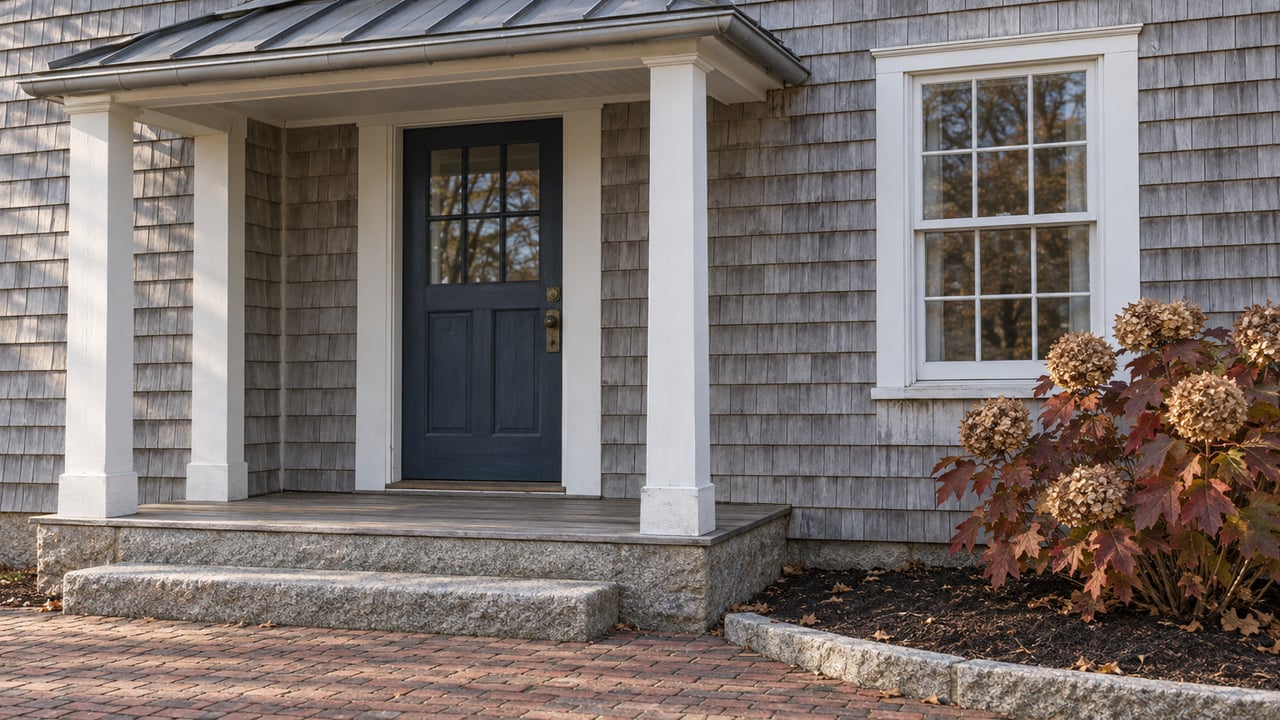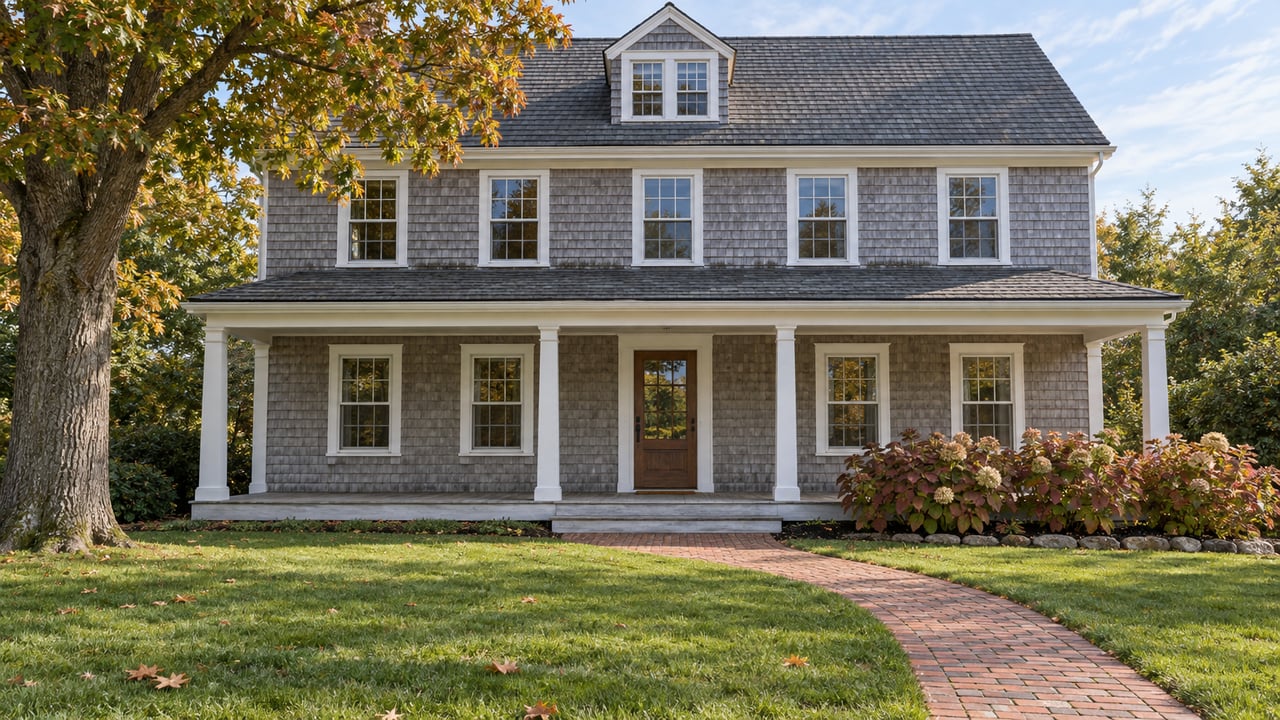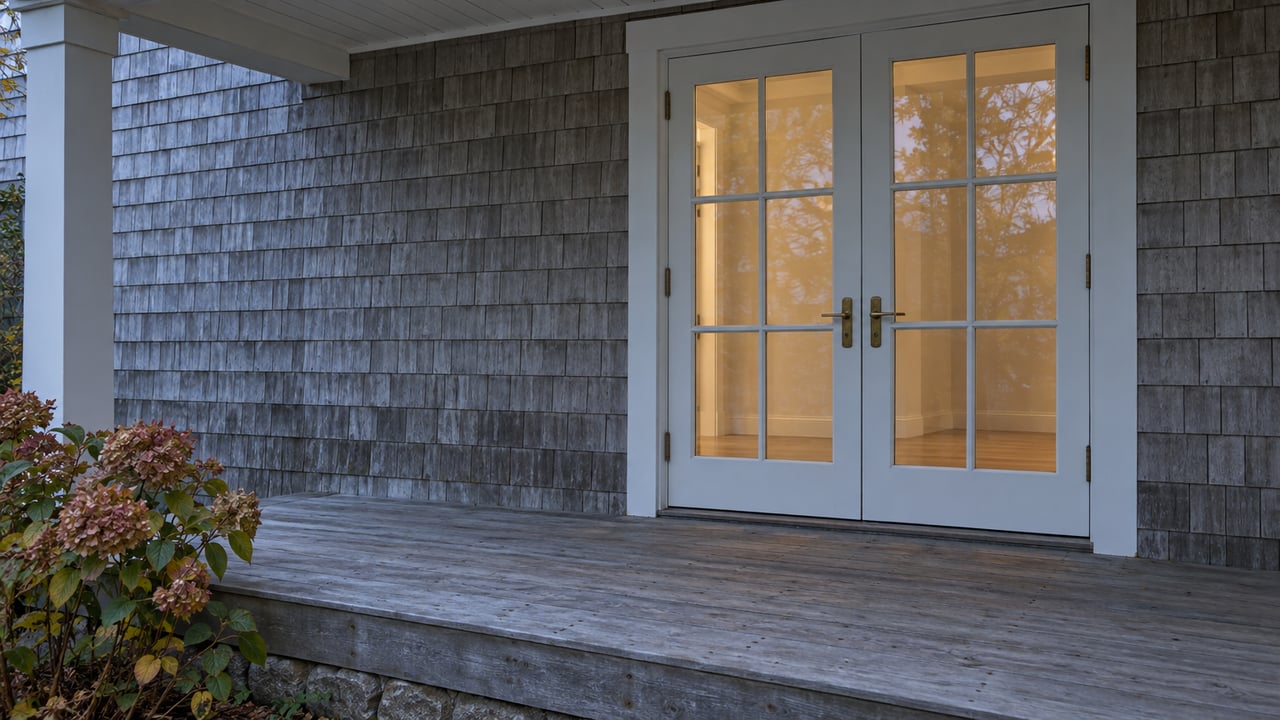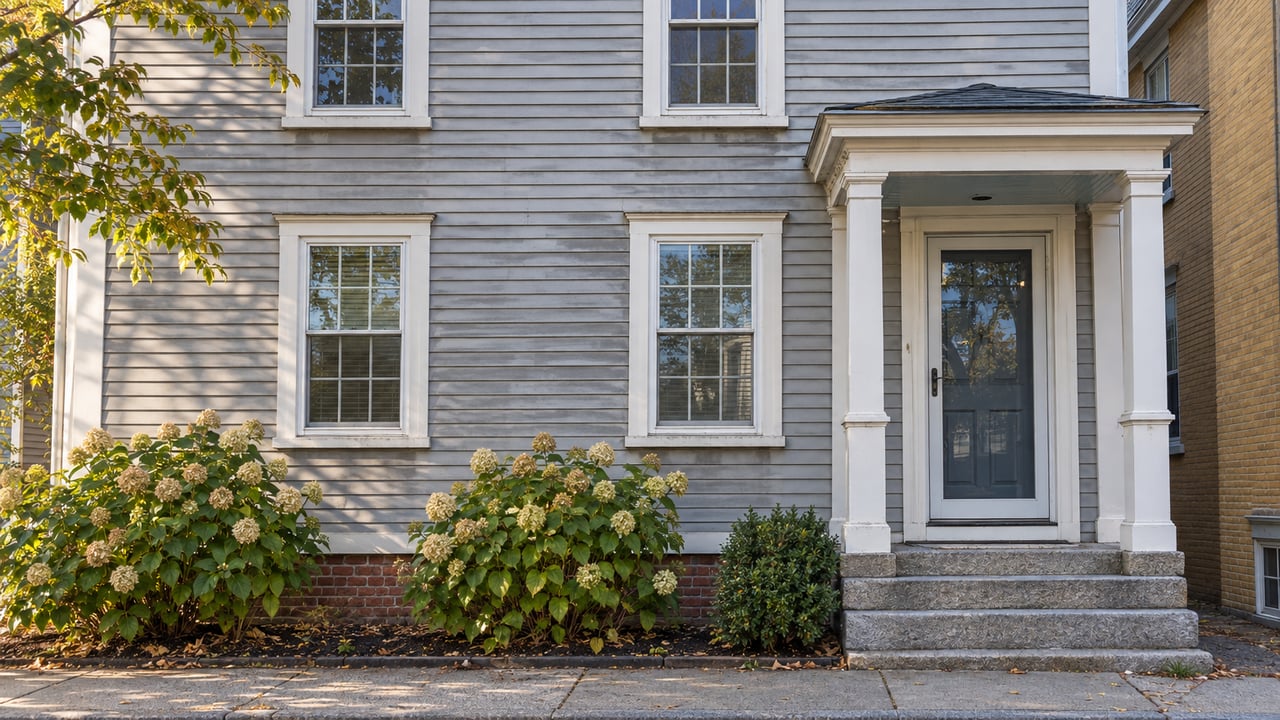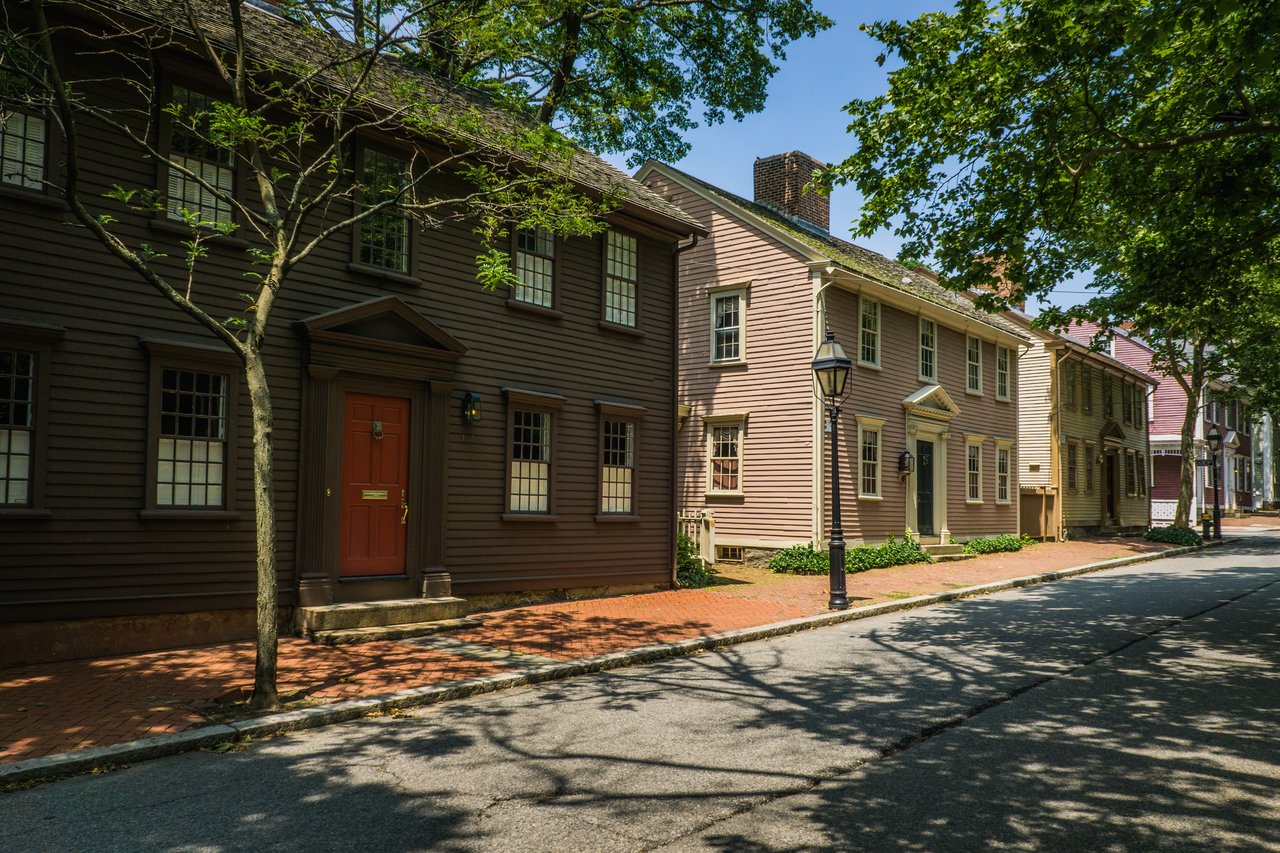
Restoring a historic home or cottage is more than a renovation—it’s a commitment to preserving craftsmanship, heritage, and timeless design. These properties often feature unique architectural details, hand-crafted materials, and a sense of place that modern homes simply can't replicate. But as homeowners seek comfort and functionality, the challenge becomes updating thoughtfully without erasing the character that makes these homes special.
Whether you're preparing your home for market or simply want to honor its legacy, restoration done right can enhance both value and authenticity.
1. Understand the Home’s Historical Context
Start by researching the architectural style and era of your home. Historic cottages and homes may include Colonial, Federal, Victorian, Mid-Century Modern or Craftsman elements. Identifying original features—such as wide-plank floors, exposed beams, antique windows, and handcrafted moldings—helps guide decisions about what to preserve or replicate.
2. Partner with Preservation Professionals
Historic homes require specialized care. Work with contractors, architects, and consultants who understand traditional building methods and local preservation standards. Their expertise ensures that updates respect the home’s original design and materials.
3. Source Authentic Materials
Using salvaged or period-appropriate materials can make a significant difference. Reclaimed wood, antique hardware, and historically accurate finishes help maintain the home’s integrity. When originals aren’t available, high-quality reproductions are a worthy alternative.
4. Modernize with Subtlety
Modern amenities are essential, but they should be integrated with care:
- Conceal HVAC systems and wiring within existing structures.
- Choose appliances and fixtures with classic aesthetics.
- Use paint colors and finishes that reflect the home’s historical palette.
5. Respect the Original Layout
Avoid major structural changes unless absolutely necessary. Many historic homes and cottages were designed with intentional flow and proportions. Preserving the original layout helps maintain authenticity and appeal to buyers who value tradition.
6. Document the Restoration Journey
Keep records of your restoration process, including photos, receipts, and notes. This documentation adds value during resale and helps future owners appreciate the care invested in the home.
Closing thoughts
If you're restoring a historic home or cottage and considering a future sale, I’d be honored to be your trusted resource. As a real estate agent specializing in historic properties, let's collaborate regarding: the market, connecting with preservation experts, and positioning your home to attract buyers (if needed) who value its unique character.
📞 Call Rob Cunningham at 925.999.6396
📧 Email: [email protected]
Let’s preserve the past—and prepare for your future.