If you live on College Hill, you already lived through the loud part. First-year students moved into Brown's dorms on September 2. Returning students followed on September 5, with U-Hauls and moving assistance winding down by 4pm that Saturday. Classes started September 9. By the second week of September, the assumption settles in fast: the neighborhood has hit its fall stride, and whatever passes for peak chaos on Thayer Street and around Benefit Street is already behind you.
That assumption is wrong, and not because the semester start wasn't real. It's wrong because the actual day that will pull the most people onto the same few blocks at once isn't tied to Brown's registrar at all. It's Saturday, September 26, when two institutions that have nothing to do with each other and don't coordinate their calendars happen to land on the identical date.
What September 9 Actually Changed
Move-in weekend is loud in a specific, contained way. Cars line up along the streets bordering campus, families unload bins, and for a few days the sidewalks around Brown fill with dollies and cardboard. Then it clears. Classes beginning on a Wednesday means the real disruption to daily patterns, parking availability, and restaurant wait times doesn't fully show up until students settle into a schedule, which takes another week or two past the date on the calendar.
That's the lull people miss. The week of September 14 through September 20 is often the quietest stretch of the fall on College Hill: students are in class, the settling-in rush has passed, and nothing else is scheduled to compete for the same sidewalks. If you're judging the neighborhood's rhythm by the academic calendar alone, this is the week that would tell you fall has already leveled off.
It hasn't. It's paused.
The Saturday Two Institutions Share Without Meaning To
Two separate organizations, each running its own internal calendar with no reason to check the other's, both landed on September 26 this year.
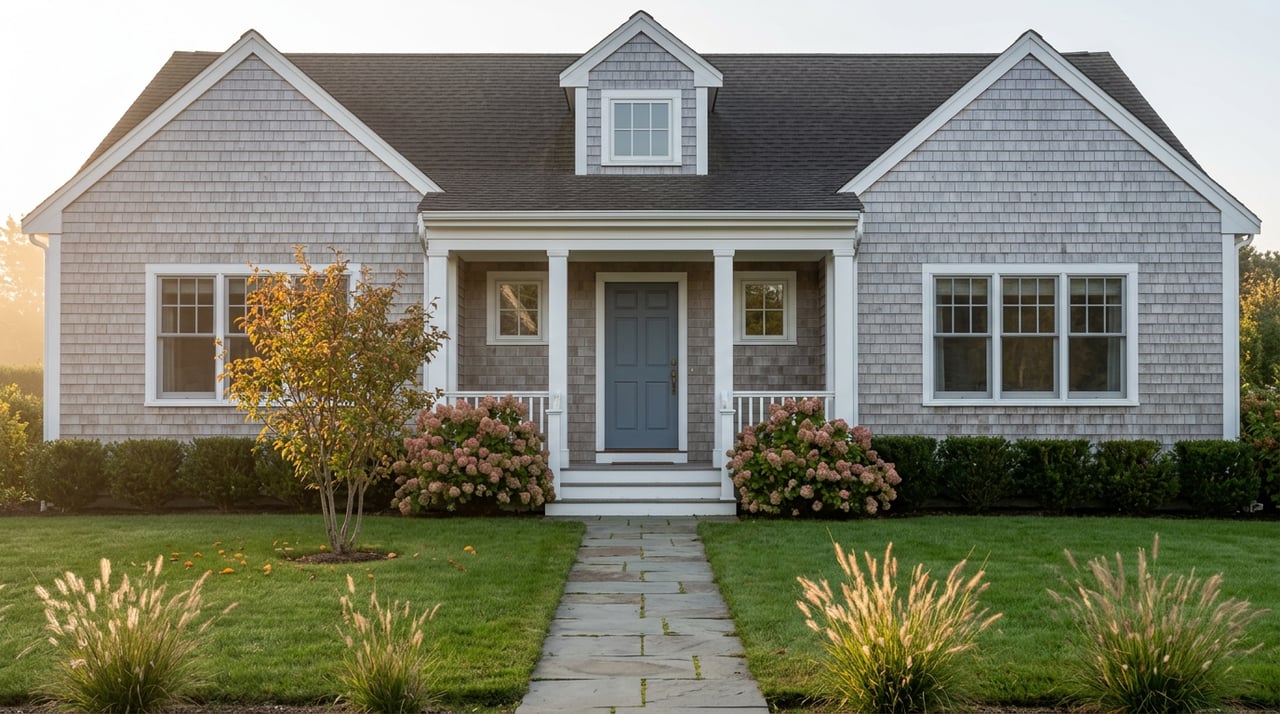
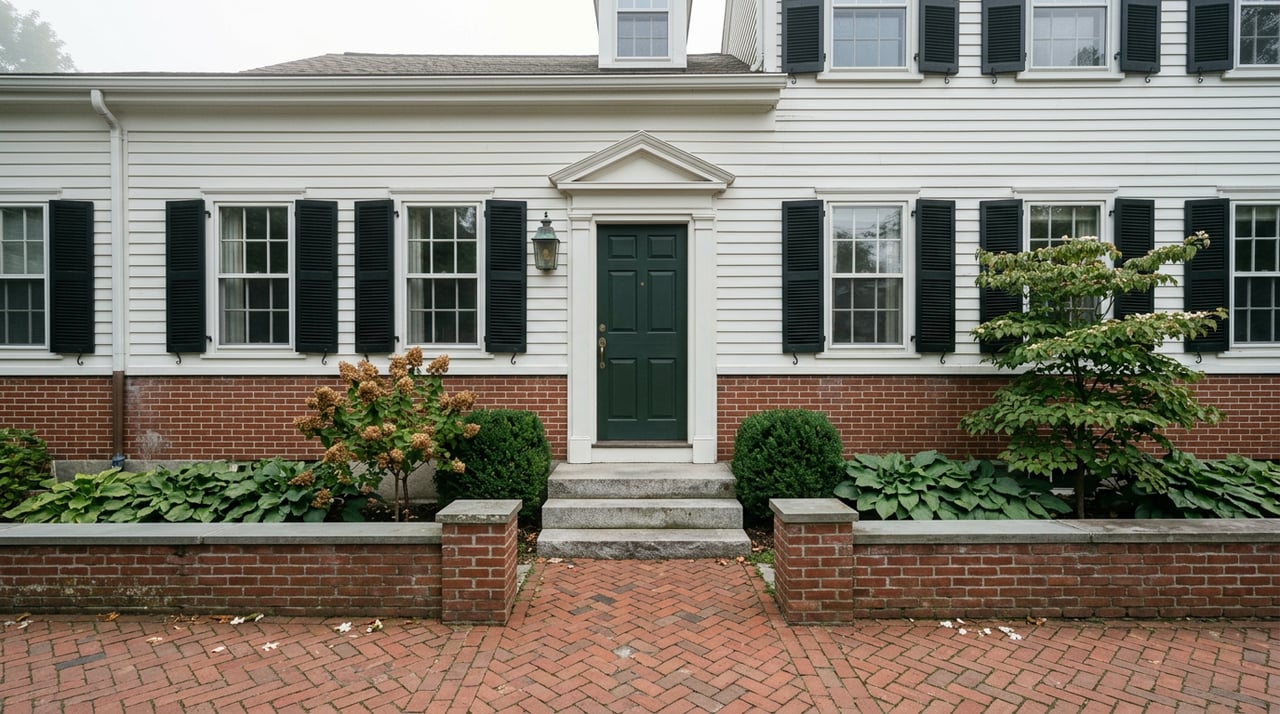
The Providence Preservation Society opens its 2026 Festival that Saturday morning with a guided walk through historic homes on and along Benefit Street, some dating back to the 1730s. The tour runs from 10am to 1:15pm and covers close to a mile and a half of the street sometimes called the Mile of History. PPS received a grant from the RI250 Commission to research Providence buildings built before or during the Revolutionary War, and new, previously unpublished findings from that project are being shared during this specific walk, not as a standing exhibit you can catch anytime.
That same evening, WaterFire lights the river. September 26 is one of just eight full-lighting dates on the 2026 schedule, alongside dates like May 30 and July 4. It's free, it runs roughly sunset to midnight, and unlike the house tour, it draws a crowd that has nothing to do with architecture history and everything to do with fire, music, and a river walk that starts a short distance from where the morning tour ends.
Here's the day at a glance:
| Time | Event | Where | Run by |
|---|---|---|---|
| 10am – 1:15pm | Benefit Street House Tour | Benefit Street, College Hill | Providence Preservation Society |
| Sunset – midnight | Full Lighting | Providence River / Waterplace | WaterFire Providence |
A resident who only has a few free hours that Saturday can walk both: the historic homes in daylight, the river in the dark, without leaving downtown Providence or College Hill.
This isn't a fixture you can count on every year. WaterFire's lighting dates shift season to season, and partial lightings get added or dropped as the schedule firms up. The overlap with PPS's tour is specific to how these two calendars happened to fall in 2026, not a standing tradition. That's part of what makes it worth flagging rather than assuming it repeats.
Thayer Street's Own Quiet Turnover
The same stretch of calendar that took the neighborhood from move-in to this stacked Saturday also covered a smaller, easier-to-miss shift a few blocks from Benefit Street. Maven's Delicatessen opened its second location on Thayer Street back in April 2026, running a smaller menu than the original. That original opened in Pawtucket on East Avenue back in 2024, and the Thayer Street build-out had been pushed back more than once before it finally happened this spring.
It's one storefront, but it's evidence of a pattern that defines Thayer Street more than any single opening does. By one recent count, the strip carries something like 70 independent businesses. That density means turnover isn't an event, it's a constant low hum. A resident who checked out six months ago and assumes the street looks the same they left it is usually wrong about at least one storefront.
Move-in weekend gets treated as the neighborhood's one big seasonal shift because it's loud and it's on a calendar everyone can see. The truth is closer to what happened with Maven's: change on College Hill rarely waits for a semester to start. It just happens quietly enough that most people notice it in passing, on their way to something else.
Why the Timing Is the Interesting Part
None of this was designed to work together. Brown's registrar sets an academic calendar built around instruction days and add-drop deadlines. WaterFire Providence, a nonprofit arts organization, builds its lighting schedule around its own fundraising and programming needs. The Providence Preservation Society plans its Benefit Street tour as the opening move of an annual festival with its own multi-month lead time, including a research grant timeline through the RI250 Commission that has nothing to do with any university calendar. Thayer Street's landlords lease storefronts on their own terms, on their own timing, with zero coordination with any of the above.
What looks, from a distance, like College Hill having "a September" is really four unrelated schedules that happened to overlap this particular year. Understanding that is more useful than memorizing any single date, because it means the neighborhood's calendar isn't fixed. It reshuffles every year depending on when WaterFire schedules its lightings, when PPS opens its festival, and which storefront turns over next. The specific stacking on September 26, 2026 won't necessarily repeat in 2027. What will repeat is the pattern: watch for the days when unrelated calendars converge, because that's when the neighborhood shows you more of itself than any single institution's schedule would on its own.
If you're the kind of resident who tracks this stuff, plan your September 26 around both the morning tour and the evening lighting. If you're not, at least don't assume the loud part of fall already happened on move-in weekend. It didn't. It's still coming, on a date nobody sent you a reminder about.
Rob Cunningham keeps this kind of week-by-week detail on College Hill because it's the same detail that matters when you're timing a listing, planning a renovation around the academic calendar, or trying to figure out what a property near Thayer Street is actually worth living next to. If you want that same level of local read applied to a property decision, Rob Cunningham is a call away for a free consultation.