Looking for a quieter stretch of Rhode Island coast where ocean surf meets calm salt ponds? Charlestown gives you exactly that balance, with long beaches, protected natural areas, and low-key neighborhoods that feel like a true retreat. If you are weighing a weekend cottage, a summer rental, or a year-round base, you will want clear guidance on lifestyle fit, beach access, and coastal due diligence. This guide walks you through the lay of the land, common home types, seasonal rhythms, and the key checks that help you buy with confidence. Let’s dive in.
Why Charlestown feels different
Ocean, ponds, and protected shores
Charlestown sits along a slim barrier system with Atlantic frontage and large salt ponds, including Ninigret Pond. Much of what you will love here is public and protected. Explore state-managed beaches like East State Beach and the sweeping dunes and surf that define the area. The town’s identity is also shaped by adjacent conservation lands and refuges, highlighted in the town’s community profile.
For boaters and anglers, the Charlestown Breachway offers day-use beach access and fishing. It has seen stabilization and repair activity in recent years, so it is smart to check current project updates if you are eyeing nearby property.
- Learn the town backdrop: Charlestown community profile
- Explore beach access: Charlestown Breachway State Beach
Seasonal rhythm and quiet winters
Summer brings a strong pulse of visitors to beaches, state campgrounds, and vacation rentals, then the pace eases in the shoulder seasons. Many residents enjoy a year-round outdoor lifestyle centered on parks and ponds rather than a dense resort scene. This rhythm shapes daily life, traffic patterns, and even store hours.
Who thrives here
Weekend retreats
If you want an easy coastal escape that is still a practical drive from Providence, Charlestown’s barrier and pond neighborhoods offer low-maintenance cottages and bungalows. The vibe is relaxed, with quick access to surf, paddling, and birding.
Summer rental focus
Investors often target walk-to-beach areas and locations near state beaches or pond launches. The town’s seasonal energy can support short weekly stays if you follow state registration and any local or association rules.
Year-round base
Full-time residents value the natural setting, town facilities, and regional access to services in nearby communities. The lower-density feel stands out compared to busier resort towns.
Home styles you will see
Barrier and beach cottages
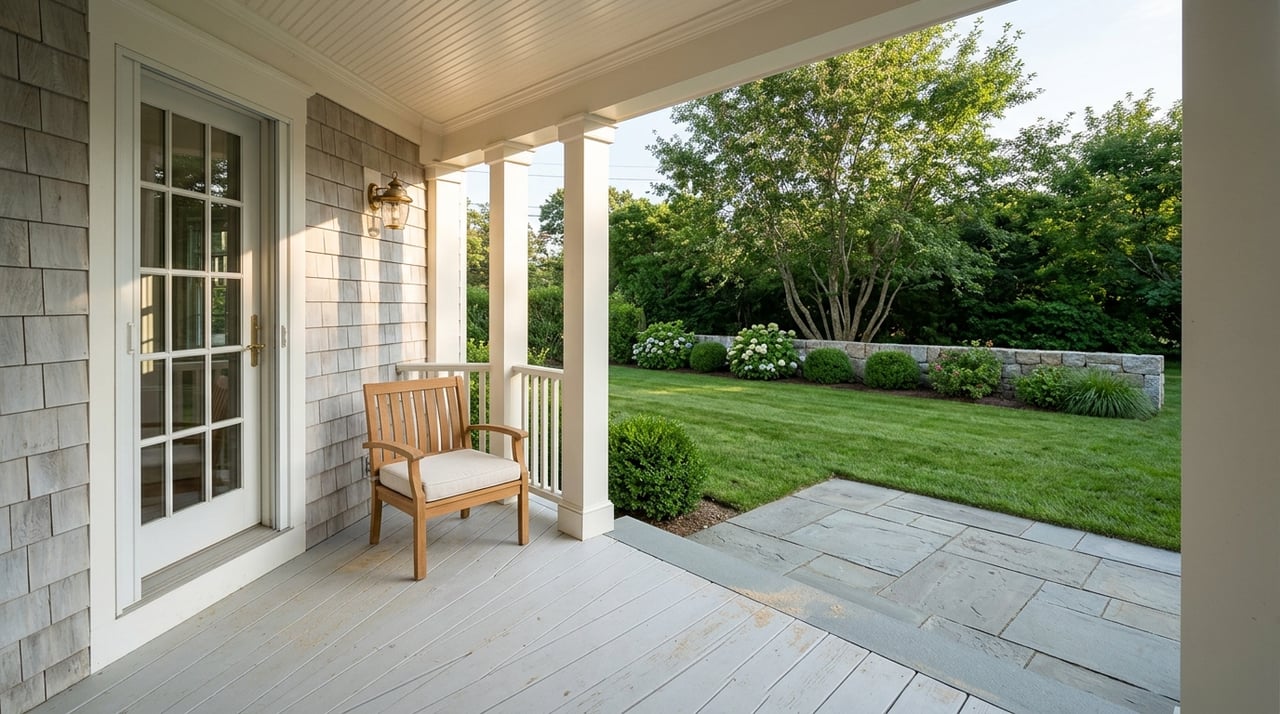
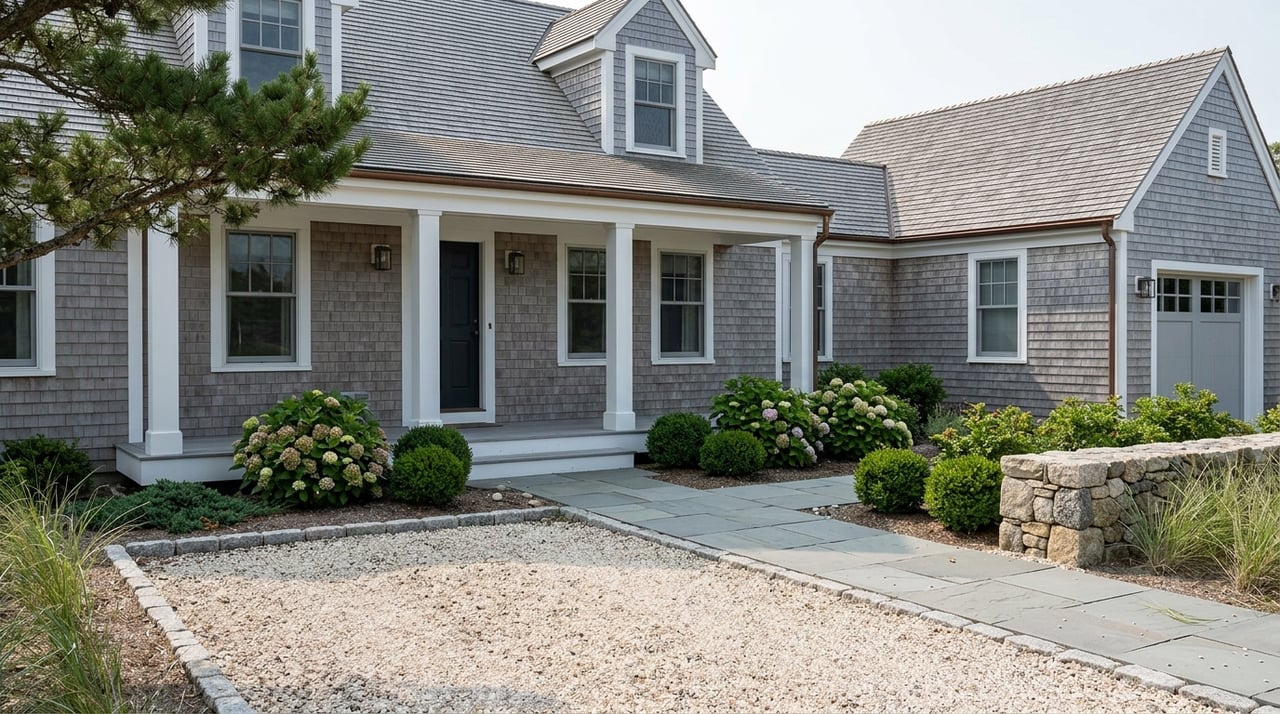
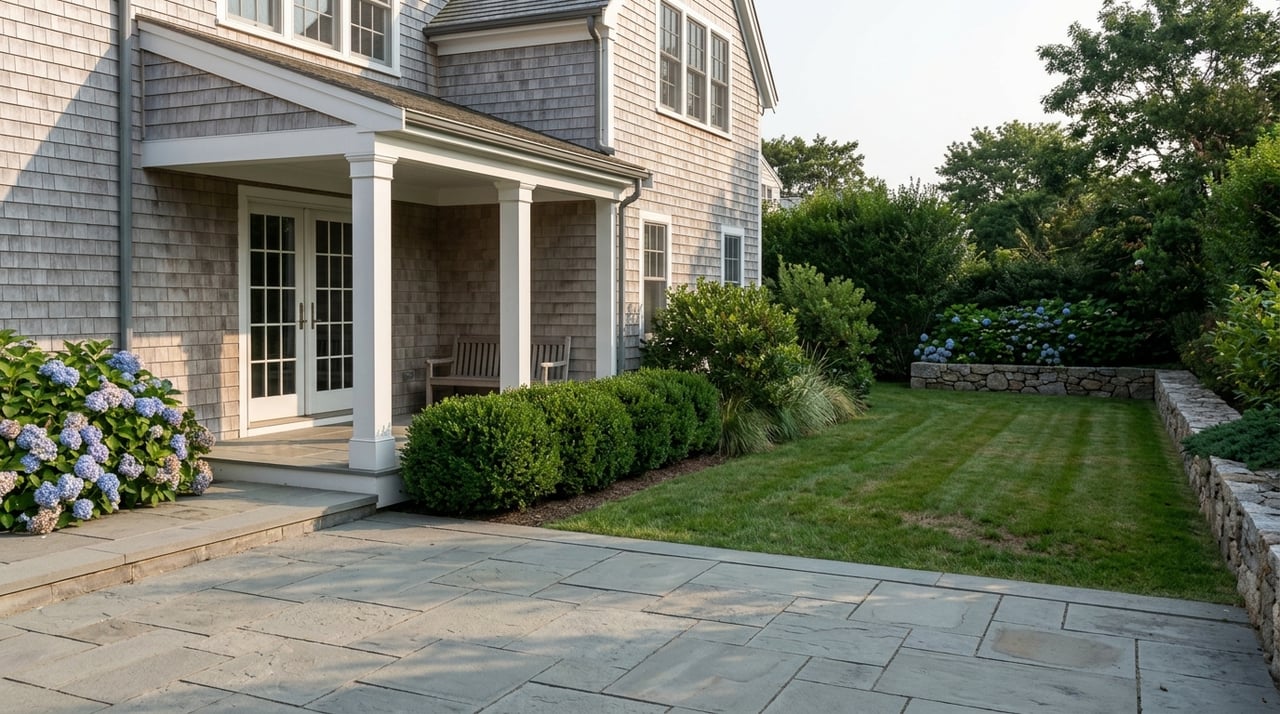
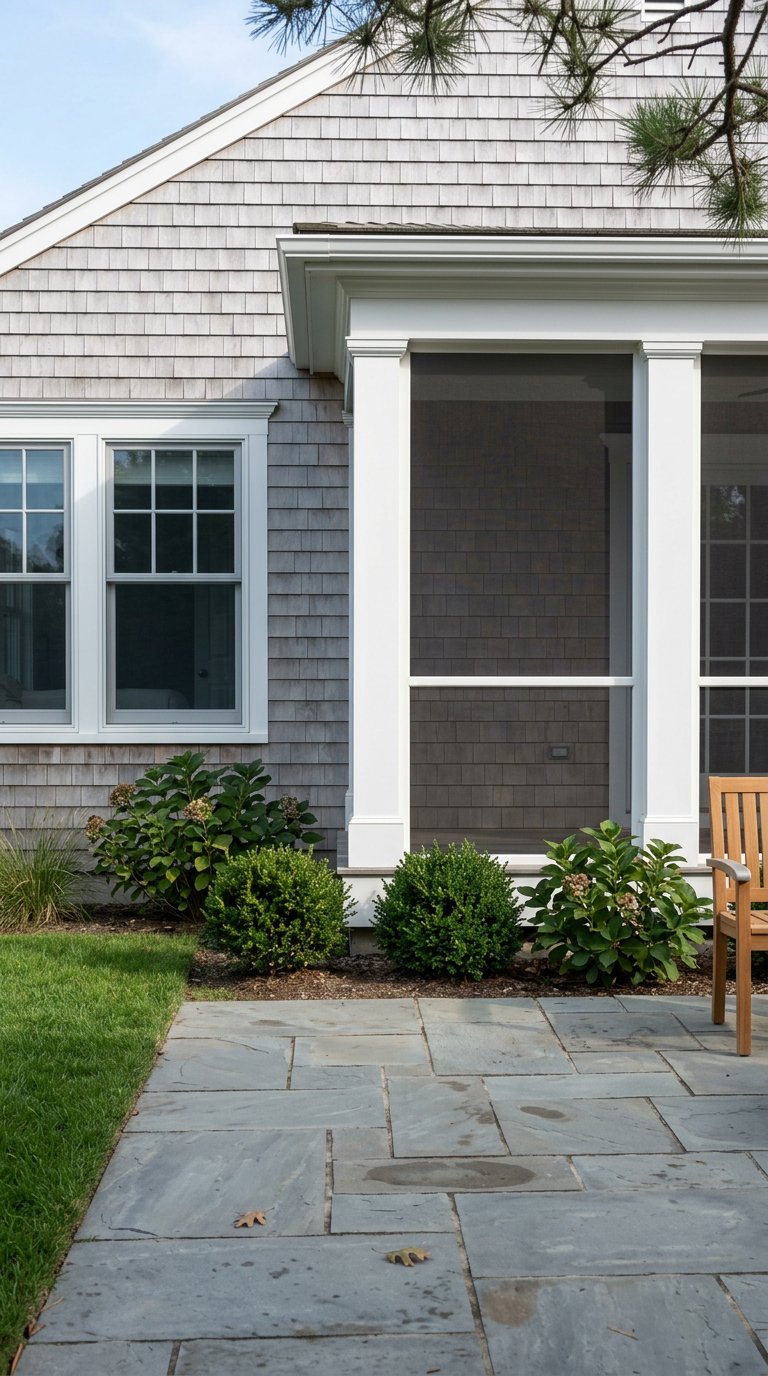
On the barrier neck, you will find seasonal cottages and renovated beach bungalows. Lots can be compact, and exteriors face salt, wind, and sun, which raises the importance of durable finishes and routine maintenance.
Pond and village homes
Around the ponds and in village areas, look for single-family homes with decks and views, plus pocket neighborhoods that mix seasonal and year-round use. Walkability to launches or trails is a common draw.
Inland single-family options
A short drive inland opens up larger lots and wooded settings. Homes here tend to feel more year-round, with driveways and floor plans suited to all-season living.
Summer access and beach passes
Charlestown manages resident and non-resident beach pass programs for town-run facilities. Some neighborhoods on the barrier spit include private association areas, so it is important to review deeds and association rules for specific access and parking details. For the latest on town passes and cottage-pass logistics, start with the town’s beach information page.
- Check pass details: Town beach and pass information
Market snapshot at a glance
U.S. Census QuickFacts shows a high owner-occupied housing share in Charlestown and reports a median value of owner-occupied units based on the current ACS 5-year window. Private trackers will show monthly shifts in sales and list medians, which can swing with small sample sizes. Treat portal figures as directional and rely on current MLS comparables before you make an offer.
- View official context: Census QuickFacts for Charlestown
Daily life and amenities
Beaches and parks
Your outdoor calendar will center on state and town beaches, trail networks, and freshwater access. Ninigret Park offers town-run recreation, sport courts, and community events, while nearby Burlingame State Park provides camping, hiking, and day-use fun. These resources keep the focus on nature and space rather than nightlife.
Dining and day trips
Charlestown’s year-round dining is modest. Many residents make short drives to neighboring towns for a wider restaurant mix, including casual seafood spots and pondside seating. Day trips to South County beaches, Narragansett, Westerly, and Newport are part of the appeal.
Services and schools
Full-service grocery, retail, and some healthcare options are more common in Wakefield and Westerly. Charlestown belongs to the Chariho Regional School District, with a local elementary school and regional middle/high school.
- District overview: Chariho Regional School District
Key buying checks for coastal confidence
Shoreline hazards and permitting
Coastal parcels benefit from early due diligence on flood zones, storm surge, and shoreline change. Rhode Island’s Coastal Resources Management Council outlines setbacks, sea-level-rise planning, and permit standards that can affect buildable area and project timelines. If you are near the breachway or dunes, confirm current conditions and any recent stabilization work before planning additions or major site changes.
- Start with policy: CRMC coastal regulations
Septic and water systems
Much of Charlestown relies on onsite wastewater treatment. Septic capacity, age, and upgrade costs are frequent contingencies in coastal sales. Review permit history, plan for inspections, and budget for improvements if systems are older. Local planning reports call out OWTS as a key infrastructure factor for homeowners.
- Planning context: Town needs analysis (2025)
- Systems background: Phase 1 needs analysis (2024)
Short-term rentals and ADUs
Rhode Island requires state registration for short-term rentals. This is separate from local zoning or association rules, which may limit where, how often, or how units can be rented. ADU standards are also evolving, and many communities set lot-size and occupancy rules that affect whether an ADU can be used for guests. Always confirm both state registration and local or HOA guidelines before modeling rental income.
- State registration: RI short-term rental regulations
- Local planning context: Town needs analysis (2025)
Utilities, winter, and maintenance
If you will live here year-round, prioritize winter road access, reliable heating systems, and storage for storm season. For second homes, plan for winterization, lock-and-leave routines, and exterior care that stands up to salt air and wind. Be aware that town and state beach and campground schedules affect summer traffic and service hours.
Micro-guides by buyer type
If you want a weekend escape
- Target low-maintenance cottages or renovated bungalows within a short drive to public beach access.
- Confirm on-site parking rules and guest logistics during peak summer.
- Check the town’s beach pass details if you plan to host visitors.
- Ask for recent septic inspections and clarify shutoff and winterization steps.
- Budget for exterior upkeep where salt and wind are factors.
If you plan a summer rental
- Verify state short-term rental registration and any local or HOA restrictions before you buy.
- Map your cleaning, linens, and key exchange or smart-lock systems to match peak-season turnover.
- Choose locations with simple beach access and clear parking to reduce guest questions.
- Estimate income with conservative occupancy in shoulder months.
- Review ADU rules if you hope to use a separate space for guests.
If you are going year-round
- Prioritize year-round roads, snow clearance, and reliable utilities.
- Confirm school zoning within the Chariho Regional School District and review district updates.
- Evaluate heating system age, fuel type, and insulation for winter comfort.
- Check well and septic capacity for full-time use.
- Weigh proximity to services in Wakefield or Westerly against your need for quiet.
Getting here and around
Charlestown sits about 41 miles from Providence and roughly 27 miles from Newport. Access to the I-95 corridor makes weekend commuting realistic for many buyers. Most daily errands and dining trips are short drives to neighboring towns, which suits the area’s tranquil feel.
Ready to explore Charlestown
If Charlestown’s beaches, ponds, and low-key pace sound like your kind of coastal living, let’s map the right fit. From beach-pass logistics to septic and shoreline checks, you will get a clear, project-managed plan from search to close. For boutique guidance backed by national reach, connect with Rob Cunningham to start your coastal search or prep your listing with staging, contractor coordination, and white-glove oversight.
FAQs
Are Charlestown beaches public or private, and how do passes work?
- The town runs public beach facilities with resident and non-resident pass options, and some neighborhoods have private association areas. Review town beach pass details and check a property’s deed or HOA rules for specific access and parking.
What should I know about short-term rentals in Charlestown before buying?
- Rhode Island requires state registration for short-term rentals, and local zoning or HOA rules may further limit rentals. Confirm both state registration and local or association guidelines before modeling income.
What home types are most common near the water in Charlestown?
- You will see seasonal cottages and beach bungalows on the barrier neck, plus pond-front and village single-family homes. Inland neighborhoods offer larger-lot, year-round options.
How do flood and shoreline risks affect ownership in Charlestown?
- Coastal parcels should be reviewed for FEMA flood zones, storm surge, and shoreline change. Rhode Island’s CRMC sets standards for setbacks and permits, so check these early, especially near dunes or the breachway.
How far is Charlestown from Providence and Newport for weekend use?
- It is about 41 miles to Providence and roughly 27 miles to Newport, which makes weekend trips and day outings practical for many buyers.
Are there year-round services and schools in Charlestown?
- Daily services are available locally, with broader retail and healthcare options in nearby Wakefield and Westerly. Schools are part of the Chariho Regional School District; confirm specific school assignments with the district.